
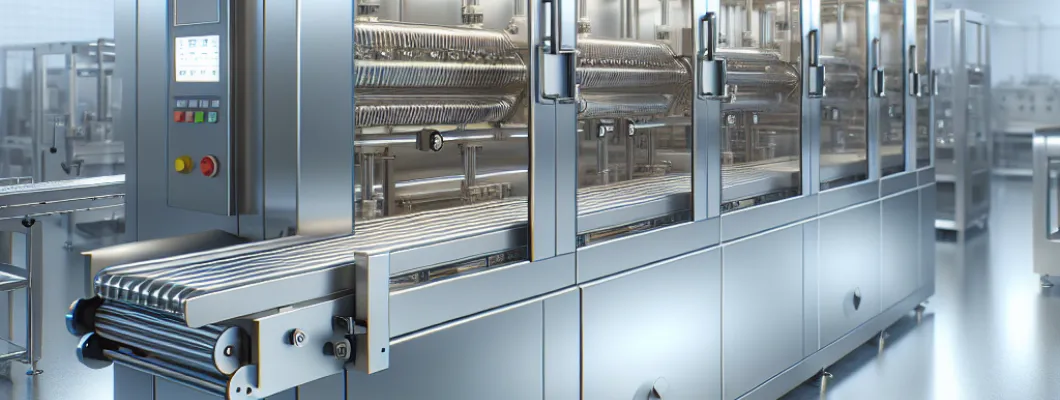
Unveiling the Role of Packaging Machines in Extending Shelf Life and Freshness
In today's fast-paced world, where consumers demand fresh and long-lasting products, businesses are turning to innovative solutions to meet these expectations. Among these solutions, packaging machines have emerged as a pivotal technology, playing a crucial role in extending the shelf life and preserving the freshness of products. With the food and beverage industry's rapid growth, understanding how packaging machines contribute to this process is essential for maintaining product quality and ensuring customer satisfaction.
The Challenge of Preserving Freshness
The primary challenge faced by manufacturers and retailers is maintaining the freshness of perishable goods while extending their shelf life. Factors such as exposure to air, moisture, and light can significantly impact the quality of food products, leading to spoilage and waste. Consumers are increasingly aware of these issues, demanding products that not only taste fresh but are also safe and free from preservatives. This sets a formidable task for the industry to deliver on these expectations without compromising on quality or sustainability.
Leveraging Technology: Practical Advice for Extending Shelf Life
Packaging machines have transformed the way manufacturers approach product preservation. Here are some practical ways these machines can help extend shelf life and maintain freshness:
- Vacuum Sealing: By removing air from the packaging, vacuum sealing reduces oxidation, which can cause spoilage and off-flavors. This technique is highly effective for reducing spoilage of meats, cheeses, and other perishable goods.
- Modified Atmosphere Packaging (MAP): This process involves replacing the air inside a package with a protective gas mixture, such as nitrogen or carbon dioxide. MAP is commonly used for fresh produce, dairy, and baked goods, helping to slow down spoilage and microbial growth.
- Barrier Films: Using high-tech barrier films in packaging can protect products from external factors like oxygen and moisture. These films are crucial in maintaining the integrity of snacks, coffee, and ready-to-eat meals.
- Temperature Control: Certain packaging machines incorporate temperature control to ensure that products are stored in optimal conditions, which is essential for frozen foods and beverages.
Packaging Machines in Action
Several organizations and businesses have successfully integrated packaging machines into their operations, reaping significant benefits in product freshness and shelf life.
- Food Processors: Large-scale food processors have adopted advanced packaging technologies to enhance product longevity and reduce waste, resulting in increased customer trust and loyalty.
- Retail Chains: Supermarkets and grocery chains utilize packaging machines for their private label products, ensuring that items like fresh produce and meats remain in optimal condition for consumers.
- Catering Services: Catering businesses often rely on packaging machines to prepare meal kits and ready-to-eat options, which stay fresh longer, reducing the need for frequent restocking.
Frequently Asked Questions
Here are some common queries regarding packaging machines and their role in extending shelf life and freshness:
- How do packaging machines improve product safety? Packaging machines enhance safety by reducing the risk of contamination and spoilage through airtight sealing and controlled environments.
- Are packaging machines suitable for all types of products? Yes, there are various types of packaging machines designed for specific products, including solid, liquid, and semi-solid goods.
- What are the environmental impacts of using packaging machines? While some packaging materials may raise environmental concerns, many companies are adopting sustainable practices, such as using recyclable films and reducing waste.
Embracing Innovation to Meet Consumer Demands
As the demand for fresh, long-lasting products continues to rise, businesses must embrace the technological advancements offered by packaging machines. These machines not only contribute to extending shelf life and preserving freshness but also enhance product safety and reduce waste. By investing in the right packaging solutions, companies can enhance their competitive edge, meet consumer expectations, and promote sustainability in the food and beverage industry. The future of packaging lies in continuous innovation, ensuring that products reach consumers in the best condition possible.