
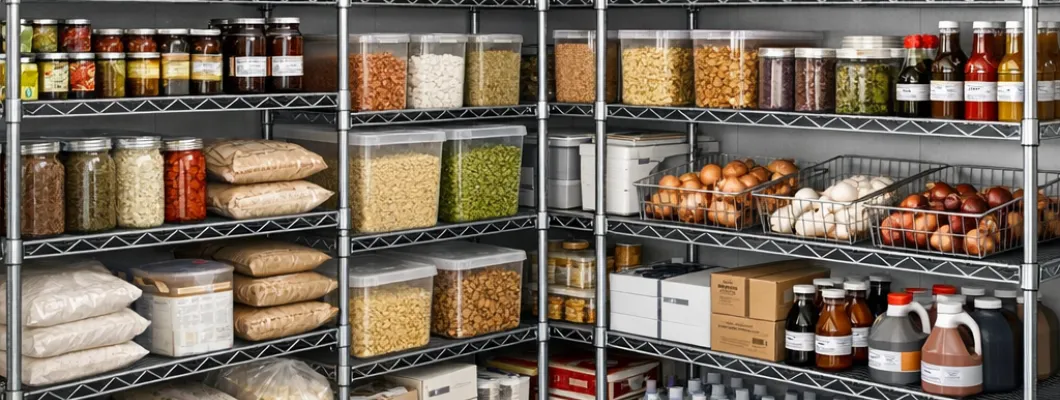
Unlocking the Secrets to Efficient Dry Storage Room Planning
In any restaurant or catering establishment, the dry storage room is a pivotal part of the operational backbone. A well-organized dry storage facility not only maximizes space but also ensures ease of access, which can significantly enhance productivity and reduce waste. Efficient organization is key to maintaining the integrity of your ingredients and supplies, ultimately impacting the quality of your service. Let's delve into the essentials of dry storage room planning and uncover how you can optimize this crucial area of your establishment.
Understanding the Challenges of Dry Storage Room Planning
The most significant challenge in planning a dry storage room is balancing accessibility with efficient use of space. Often, establishments struggle with clutter, lack of organization, and poor layout, which can lead to wasted time and resources. Moreover, fluctuating inventory levels make it difficult to maintain a consistent organizational scheme. The sheer variety of non-perishable goods, from dried herbs to canned goods, demands a thoughtful approach to categorization and storage.
Another common issue is the failure to adhere to food safety regulations. Inadequate storage conditions can result in spoilage or contamination, posing a risk to customer health and your business reputation. Therefore, the challenge lies not only in organization but also in ensuring compliance with health standards.
Practical Advice for Effective Dry Storage Room Planning
To tackle these challenges, it's vital to adopt a systematic approach to dry storage room planning. Here are some practical tips:
- Categorize and Label: Group items by type and use clear labels to facilitate easy identification. This reduces time spent searching for ingredients and ensures stock is rotated efficiently.
- Use Shelving Wisely: Adjustable shelving units are invaluable. They allow you to customize space for different sizes and types of products, optimizing storage efficiency.
- Implement FIFO: First In, First Out (FIFO) is a crucial principle to prevent waste. Ensure that older products are placed at the front to be used first.
- Safety First: Comply with health regulations by keeping items off the floor, maintaining a clean environment, and checking for the presence of pests regularly.
- Climate Control: Ensure that the room is kept at a stable temperature and humidity level to preserve the quality of stored items.
Organization in Action: A Case Study
Consider the dry storage room of a bustling downtown bistro, which recently underwent a transformation. Previously plagued by disarray, the owners decided to implement a comprehensive plan for dry storage room planning. They began by installing customizable shelving units, allowing for the accommodation of various product sizes. They categorized items into distinct sections, such as grains, canned goods, and baking supplies, each clearly labeled.
By adopting the FIFO method, they significantly reduced waste and improved their stock rotation practices. A monthly audit system was put in place, ensuring compliance with safety standards and allowing for timely restocking of essential ingredients. This organized approach not only streamlined operations but also resulted in noticeable cost savings.
Frequently Asked Questions on Dry Storage Room Planning
How often should inventory be checked?
Regular inventory checks should be conducted weekly to ensure stock levels are maintained and to identify items that require replenishment or removal due to expiration.
What is the best temperature for a dry storage room?
A dry storage room should ideally be kept between 50°F to 70°F (10°C to 21°C) with a relative humidity of 50-60% to maintain the quality of stored goods.
How can I prevent pest infestations?
Regularly inspect the storage area for signs of pests, use sealed containers for open packages, and maintain a clean environment. Professional pest control services can provide additional protection if needed.
Extending the Benefits of Efficient Dry Storage Room Planning
The importance of efficient dry storage room planning cannot be overstated in the fast-paced world of food service. By implementing thoughtful organization strategies, you can increase productivity, reduce waste, and ensure compliance with safety regulations. Remember, a well-organized storage area is not just about tidiness; it's about creating a seamless workflow that supports your business goals. Embrace these practices to transform your dry storage room into a model of efficiency and reliability.