
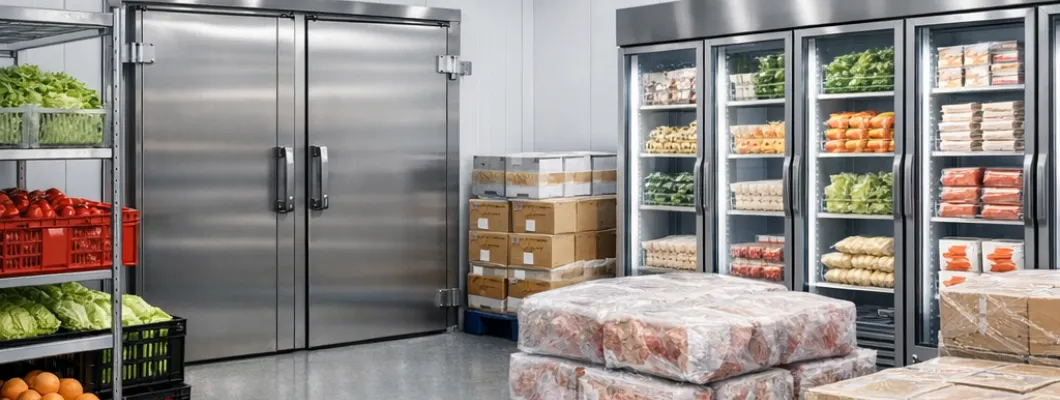
Unlocking the Secrets to Efficient Cold Storage Planning
In the fast-paced world of food service and catering, maintaining the quality and safety of perishable goods is paramount. As demands on inventory management grow, designing efficient refrigeration zones becomes a critical component of any successful business operation. Effective cold storage planning not only ensures food safety and compliance but also optimizes energy use and operational efficiency. This article delves into the intricacies of creating a well-organized refrigeration strategy that meets the complex needs of modern catering establishments.
Understanding the Challenge: The Complexity of Cold Storage Planning
One of the main challenges in cold storage planning is the sheer diversity of products requiring refrigeration. Each category, from dairy to meats to fresh produce, has specific temperature and humidity requirements. Another layer of complexity is added by the need to accommodate fluctuating inventory levels while minimizing energy consumption. Business owners must also consider the layout of storage spaces to ensure easy access and efficient workflows, all while adhering to stringent safety regulations. Failing to address these challenges can result in spoilage, waste, and ultimately, lost revenue.
Practical Advice for Designing Efficient Refrigeration Zones
To design efficient refrigeration zones, start with a detailed analysis of the types and volumes of items to be stored. This will guide decisions on the number and size of cold rooms needed. It's also crucial to segment the storage areas based on product categories, ensuring each zone maintains the appropriate conditions.
- Temperature Zoning: Implement separate temperature zones for different product types. For instance, seafood may require colder temperatures than fresh produce.
- Consider Layout and Accessibility: Design the layout for easy access to frequently used items, reducing the time doors are open and conserving energy.
- Energy-Efficient Technologies: Invest in energy-efficient refrigeration systems and lighting. Advanced monitoring systems can track and adjust energy usage in real-time.
- Regular Maintenance: Ensure regular maintenance of refrigeration equipment to prevent breakdowns and maintain efficiency.
Behavior and Organization in Action
Incorporating efficient cold storage planning into daily operations requires a culture of organization and attention to detail within the team. Staff training is crucial; employees should understand the importance of maintaining correct temperatures and the potential impact on food safety and energy costs. Establishing clear protocols for inventory management can enhance the efficiency of refrigeration zones.
- Staff Training: Train staff on best practices for loading and unloading items, ensuring doors are closed promptly to maintain internal temperatures.
- Inventory Management: Implement a First-In, First-Out (FIFO) system to reduce waste and ensure that older stock is used before newer stock.
- Continuous Monitoring: Use digital monitoring tools to track temperature fluctuations and address issues before they result in spoilage.
Frequently Asked Questions
What is the ideal temperature range for cold storage areas?
Typically, cold storage areas for frozen goods should be kept at or below -18°C (0°F), while refrigerated zones should be between 0°C and 4°C (32°F to 39°F). These ranges help preserve product quality and safety.
How can energy consumption be minimized in refrigeration zones?
Minimize energy consumption by using energy-efficient appliances, regularly maintaining equipment, and ensuring all doors and seals are in good condition. Implementing smart technology to monitor and adjust temperatures can further enhance efficiency.
Why is regular maintenance important for cold storage systems?
Regular maintenance prevents equipment breakdowns, ensures systems operate at peak efficiency, and extends the lifespan of refrigeration units. It also helps identify potential issues before they cause significant problems.
Embracing the Future of Cold Storage
Designing efficient refrigeration zones is not just about meeting current needs but also about preparing for future growth and innovation. By carefully planning and maintaining your cold storage systems, you can ensure that your business remains competitive, sustainable, and ready to meet any challenges that arise in the dynamic world of food service. Investing in advanced technologies and training your workforce to manage these systems effectively will pay dividends in operational efficiency and customer satisfaction.