
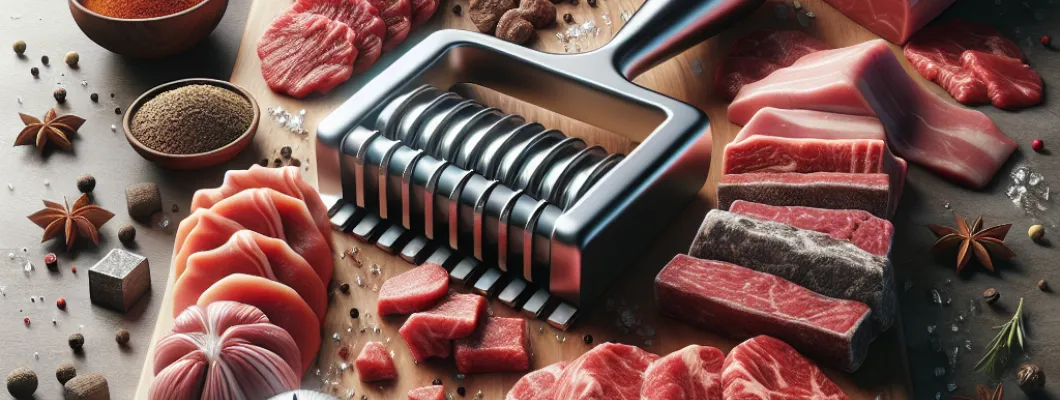
Unlocking Flavor and Sustainability with Meat Tenderizers
In the world of culinary arts, achieving the perfect balance between taste and sustainability is a high priority. Meat tenderizers often emerge as an unsung hero in this quest. By enhancing flavors while minimizing waste, they have become an essential tool in both home kitchens and professional dining establishments. Understanding their role in transforming meals and reducing ecological impact can lead to more delicious and environmentally conscious dining experiences.
The Challenge: Tough Meat and Wasteful Practices
One of the significant challenges in the restaurant and catering industry is dealing with cuts of meat that are less than tender. These tougher cuts, often sidelined in favor of more expensive alternatives, can lead to unnecessary food waste. The pressure to deliver high-quality dishes can inadvertently push chefs to over-rely on premium meats, contributing to an unsustainable cycle of food production and consumption.
Moreover, improper handling and preparation of these tougher cuts can lead to disappointing dining experiences. Chefs are continuously tasked with finding ways to maximize flavor while minimizing waste, all without compromising the quality that diners expect. This is where meat tenderizers come into play, offering a practical solution to this culinary conundrum.
Practical Advice: Using Meat Tenderizers Effectively
To harness the full potential of meat tenderizers, understanding their application is key. Here are some practical tips for using meat tenderizers effectively:
- Choosing the Right Type: There are various types of meat tenderizers available, from enzymatic powders that break down proteins to mechanical tools like mallets and jaccard-style tenderizers. Selecting the right type depends on the cut of meat and the desired outcome.
- Proper Application: When using a mechanical tenderizer, ensure even pressure is applied to achieve consistent results. For enzymatic powders, follow the instructions meticulously to avoid over-tenderizing, which can lead to an unappealing texture.
- Marination: Combining tenderizers with marinades not only enhances flavor but also aids in the tenderizing process. Ingredients like acids (lemon juice, vinegar) and oils can complement the chemical tenderizers to produce succulent results.
- Experimentation: Don’t shy away from experimenting with different tenderizing techniques and combinations. Each piece of meat has its unique properties, and finding the perfect method can elevate a dish from good to great.
In Action: Embracing Tenderizers in the Professional Kitchen
Restaurants and catering companies that have incorporated meat tenderizers into their culinary processes often report notable improvements in both taste and sustainability. For instance, a renowned steakhouse in New York City has revolutionized its menu by introducing a variety of lesser-known cuts that, when tenderized and creatively prepared, rival the traditional favorites.
Moreover, these businesses benefit from cost savings by purchasing less expensive cuts and transforming them into premium dishes. This practice not only reduces waste but also broadens the palette of flavors available to diners, fostering a renewed appreciation for diverse culinary experiences.
Frequently Asked Questions
- What is the primary benefit of using a meat tenderizer? The primary benefit is that meat tenderizers enhance the texture and flavor of tougher cuts, making them more palatable while reducing food waste by preventing the need to discard these cuts.
- Are there any health concerns associated with meat tenderizers? When used correctly, meat tenderizers are safe. It’s important to follow the manufacturer's guidelines, especially for chemical tenderizers, to avoid potential health risks from overuse.
- Can tenderizers be used on all types of meat? While tenderizers can be used on most meats, they are particularly effective on tougher cuts such as brisket, flank, and skirt steak. Care should be taken with more delicate meats to prevent over-tenderizing.
Elevating Dining Experiences with Meat Tenderizers
Embracing the use of meat tenderizers is a forward-thinking strategy that aligns with the goals of improving taste and reducing waste. As establishments continue to seek innovative ways to deliver exceptional dining experiences, tenderizers offer a simple yet powerful tool to achieve these objectives. By transforming less popular cuts into culinary masterpieces, restaurants not only delight their patrons but also contribute to a more sustainable food ecosystem. The careful application of meat tenderizers can indeed be the secret ingredient in elevating both the flavor and ethical responsibility of modern cuisine.