
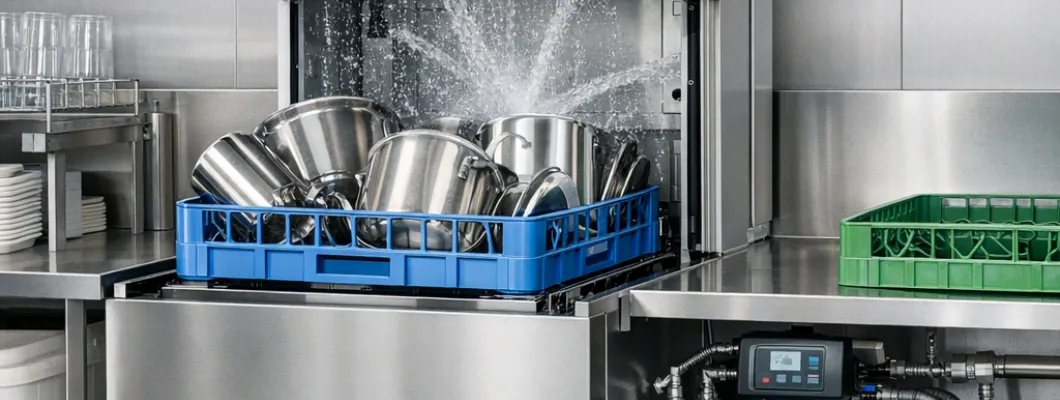
Unlock the Secret to Longer-Lasting Dishwashing Equipment
In the bustling world of restaurants and catering businesses, efficiency and consistency are crucial ingredients for success. A key player in maintaining this equilibrium is the dishwashing equipment. However, the often-overlooked issue of hard water can wreak havoc on these machines, leading to inefficiencies and costly repairs. This is where water softeners come in, playing an indispensable role in protecting dishwashing equipment. By understanding the impact of hard water and the benefits of water softeners, businesses can ensure their dishwashers operate smoothly and last longer.
The Challenge: Hard Water and Its Impact
Hard water is a common issue faced by many establishments, characterized by high mineral content, primarily calcium and magnesium. When hard water flows through dishwashing equipment, it leaves behind mineral deposits, commonly known as limescale. These deposits accumulate in the critical components of the dishwashers, such as heating elements and spray arms, impairing their functionality over time. This not only reduces the efficiency of the equipment but also leads to increased energy consumption and frequent breakdowns.
In addition to mechanical issues, hard water affects the quality of the dishwashing process. It can leave unsightly spots and residue on dishes and glassware, potentially impacting customer satisfaction. Addressing these issues is paramount for maintaining high standards of hygiene and service in any food service operation.
Practical Advice: Implementing Water Softeners
Water softeners are the frontline defense against the detrimental effects of hard water. By removing the excess minerals, they prevent limescale buildup and enhance the performance of dishwashing equipment. Here’s how businesses can implement water softeners effectively:
- Select the Right Water Softener: Evaluate the specific needs of your establishment by considering the hardness level of your water supply and the capacity of your dishwashing equipment. Choose a water softener system that can handle the volume and demands of your operations.
- Regular Maintenance: Ensure that the water softener is regularly maintained and regenerated as per the manufacturer’s guidelines. This involves replenishing the salt or resin and checking the system's settings to ensure optimal performance.
- Professional Installation: Invest in professional installation services to guarantee that the water softener is set up correctly. This reduces the risk of malfunction and maximizes the efficiency of the system.
- Monitor Water Quality: Regularly test the water quality to ensure that the water softener is functioning correctly and adjust settings as necessary.
Behavior or Organization in Action
A successful catering service in a bustling metropolitan area serves as a prime example of the effectiveness of water softeners. Faced with the challenge of frequent dishwasher repairs and unsatisfactory cleaning results, they decided to implement a high-capacity water softener system. The results were immediate and impressive. Their dishwashing equipment began to operate with increased efficiency, energy costs dropped, and the quality of their clean dishes improved significantly. This strategic move not only protected their investment in expensive machinery but also elevated their service standards, leading to happier clientele and smoother operations.
Frequently Asked Questions
How does a water softener work?
Water softeners work by using an ion exchange process. They replace hard minerals like calcium and magnesium in the water with sodium ions, effectively softening the water and preventing mineral buildup in appliances.
Do water softeners require a lot of maintenance?
While they do require regular maintenance, such as checking the salt levels and periodically cleaning the tank, the effort is minimal compared to the long-term benefits of enhanced equipment performance and longevity.
Can I install a water softener myself?
While some may choose to install a water softener themselves, professional installation is recommended to ensure optimal setup and functionality.
Safeguarding Your Equipment and Business
Investing in water softeners is a proactive measure that pays dividends in the long run. By protecting dishwashing equipment from the perils of hard water, businesses can reduce maintenance costs, improve operational efficiency, and ensure superior customer satisfaction. Whether you run a small café or a large-scale catering operation, safeguarding your equipment with a reliable water softener system is a wise decision that underpins the smooth functioning of your establishment.