
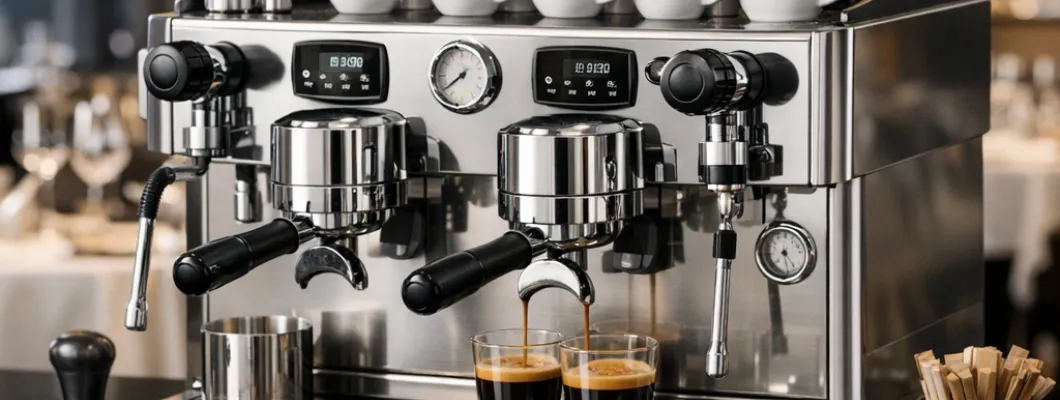
Transforming Restaurant Coffee Offerings: Expanding Beverage Menus with the Right Equipment
In the competitive world of food and beverage, restaurants are continually searching for innovative ways to enhance their menus and attract a diverse clientele. Coffee, a staple beverage beloved globally, offers an avenue for significant differentiation when appropriately leveraged. Expanding beverage menus with an array of specialty coffee options not only attracts coffee aficionados but also enhances the overall dining experience. However, the key to unlocking this potential lies in selecting the right coffee equipment for restaurants.
Understanding the Challenge of Expanding Coffee Menus
For restaurants, expanding beverage menus to include a variety of coffee drinks presents several challenges. The first hurdle is often the wide array of coffee equipment available on the market. From espresso machines and grinders to drip brewers and cold brew systems, each type of equipment serves a unique purpose and requires specific skills. Restaurant owners must determine which equipment aligns best with their menu aspirations and service capabilities.
Another challenge is staff training. Unlike a standard coffee machine, professional-grade coffee equipment requires a deeper understanding of operation and maintenance. The complexity of crafting specialty coffees means that baristas and other staff members must be proficiently trained to ensure consistency and quality.
Practical Advice for Choosing the Right Coffee Equipment for Restaurants
Selecting the appropriate coffee equipment for restaurants involves careful consideration of several factors:
- Menu Goals: Define what types of coffee drinks you wish to offer. If your goal is to serve high-quality espresso drinks, an investment in a multi-group espresso machine and a reliable grinder is essential. For cold brews, consider a dedicated cold brew system.
- Budget Constraints: High-end coffee equipment can be a significant investment, but it often pays off in terms of quality and efficiency. Assess your budget and explore leasing options or purchasing refurbished equipment as cost-effective alternatives.
- Space Considerations: Evaluate the available space in your restaurant. Professional machines can be large and require ample counter space, as well as access to plumbing and electricity.
- Volume Needs: Consider the expected volume of coffee sales. High-volume establishments may need machines that can handle continuous use and produce large quantities of coffee without compromising on quality.
- Staff Training: Plan for comprehensive training sessions. Your staff’s proficiency with the equipment directly affects the quality of the coffee served to your customers.
Innovative Restaurants in Action: Mastering Coffee Service
Several pioneering restaurants have successfully expanded their coffee offerings by integrating the right equipment and training. For example, a renowned city bistro recently revamped its beverage menu by installing state-of-the-art espresso machines and implementing a rigorous staff training program. The restaurant now offers an impressive array of coffee drinks, from classic espressos to trendy latte art creations, boosting both sales and customer satisfaction.
Another success story comes from a suburban diner that opted for a cold brew system. By expanding beverage menus to include unique cold coffee concoctions, the diner attracted a new demographic of customers seeking refreshing alternatives, particularly during warmer months. Their strategic investment in specialized coffee equipment for restaurants facilitated this successful pivot.
Frequently Asked Questions
What type of coffee equipment is best for small restaurants?
Small restaurants should consider compact espresso machines or single-cup brewers that require less space yet still deliver high-quality coffee. A versatile grinder is also essential to customize grind sizes for different coffee types.
How often should coffee equipment be maintained?
Regular maintenance is crucial to prolong the lifespan and efficiency of your coffee equipment. Daily cleaning, weekly deep cleaning, and periodic professional servicing are recommended.
Is it better to buy or lease coffee equipment?
Leasing can be a good option for restaurants looking to minimize upfront costs and stay updated with the latest technology. However, purchasing might be more cost-effective long-term if budget permits.
Crafting a Coffee Experience That Stands Out
Expanding beverage menus with a focus on coffee can elevate a restaurant’s reputation and attract a loyal customer base. The key to success lies in selecting the right coffee equipment for restaurants that align with your vision, budget, and operational needs. Coupled with proper staff training and maintenance, this investment can turn your restaurant into a go-to spot for coffee enthusiasts. Whether you aim to offer perfectly brewed espressos or refreshing cold brews, the right equipment is the cornerstone of crafting a memorable coffee experience that keeps customers coming back for more.