
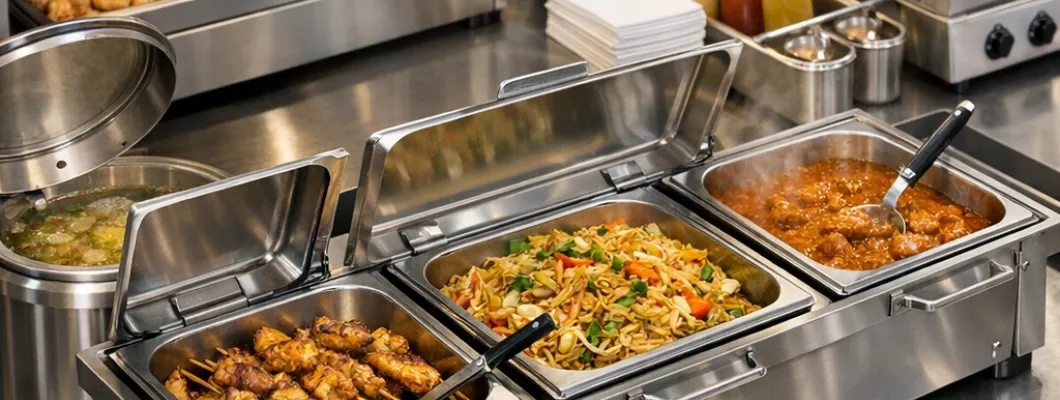
Street Food Warming Equipment: Keeping Food Ready for Service
The vibrant world of street food is a testament to culinary creativity and innovation. Carts and stalls brim with tantalizing aromas, drawing in crowds eager for a taste of the world on a plate. In this bustling environment, maintaining optimal food temperature is a cornerstone of the street food vendor's craft. The right street food warming equipment is essential not just for flavor, but for safety and efficiency, ensuring that each dish is served at its best.
Meeting the Challenges of Street Food Service
Operating a street food business presents unique challenges, particularly when it comes to keeping food warm and ready for service. Unlike traditional restaurants, street vendors face the unpredictability of outdoor conditions, the need for portability, and space constraints. Without the right warming equipment, vendors risk serving food that is either cold or overcooked, potentially leading to dissatisfied customers and food safety concerns.
Temperature control is crucial in street food operations. Food must be kept at safe temperatures to prevent bacterial growth, which can occur when food is left in the "danger zone" (between 40°F and 140°F) for too long. Additionally, the ability to respond to fluctuating demand—typical in street food markets—requires equipment flexible enough to handle peak times without compromising food quality.
Practical Advice for Choosing Warming Equipment
Selecting the right street food warming equipment involves considering several factors. First, evaluate the types of food you plan to serve. Different dishes require different equipment—what works for soups might not be ideal for fried snacks. Here are some practical tips:
- Assess Your Menu: Align your warming equipment with your menu items. Bain-maries are perfect for stews and soups, while warming drawers or heat lamps might better serve breads and pastries.
- Consider Portability: Invest in equipment that is easy to transport. Compact, lightweight options with secure lids or covers are ideal for the fast-paced nature of street food service.
- Energy Source: Decide whether you need gas-powered equipment for off-grid locations or electric options if access to power is reliable. Some vendors even opt for dual-fuel systems for flexibility.
- Temperature Control: Look for units with adjustable temperature settings to maintain food quality across various offerings.
Street Food Vendors In Action
Successful street food vendors know the importance of street food warming equipment and integrate it seamlessly into their operations. For instance, a popular taco truck might use chafing dishes to keep carnitas and barbacoa warm while relying on heated tortilla presses for fresh tacos on demand.
Meanwhile, a bustling noodle stand might utilize a combination of soup kettles and steam tables to ensure broths remain hot and noodles are perfectly al dente. These vendors understand that the right equipment not only preserves the integrity of their food but also enhances their ability to serve customers quickly and efficiently, thus maximizing their turnover during peak hours.
Frequently Asked Questions About Warming Equipment
- What types of warming equipment are most commonly used in street food? Common equipment includes chafing dishes, heat lamps, warming drawers, and portable steam tables, each designed to suit different food types and serving conditions.
- How can I ensure my warming equipment is safe? Regularly maintain and clean all equipment, adhere to manufacturer guidelines, and conduct routine checks to ensure proper temperature settings.
- Should I opt for gas or electric warming equipment? This decision depends largely on your location and power access. Gas is preferable for portability and areas with limited electrical supply, while electric is ideal for places with reliable power sources.
Crafting an Unforgettable Street Food Experience
Street food is as much about the experience as it is about the flavors. The right street food warming equipment is integral to delivering both. By investing in the best-suited equipment, vendors can ensure that each dish arrives hot, fresh, and safe, delighting customers and standing out in the crowded street food landscape. Success in this vibrant industry is not just about what you serve but how you serve it—the right equipment is key to achieving both culinary and customer excellence.