
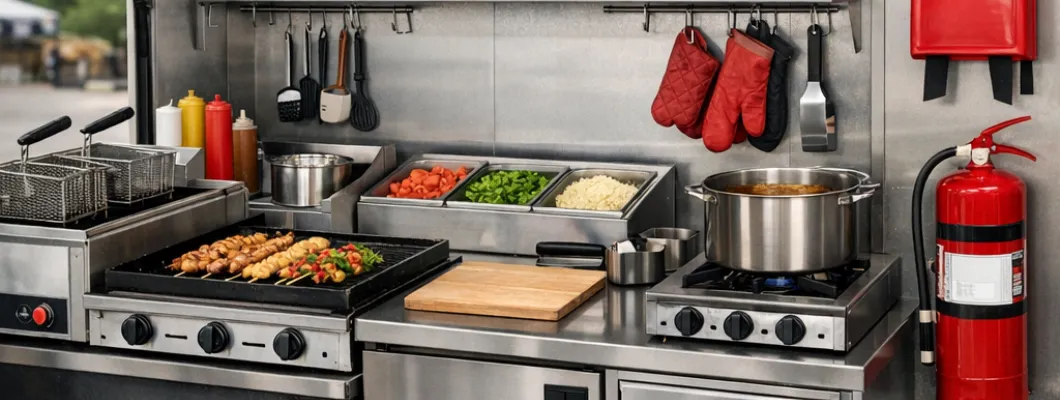
Street Food Kitchen Safety: Preventing Accidents in Small Kitchens
The vibrant world of street food is not just about tantalizing flavors and culinary delight—it’s also about ensuring a safe cooking environment. Small kitchen spaces, typical in many street food setups, present unique challenges when it comes to maintaining safety standards. Accidents can quickly turn a thriving business into a hazard zone, emphasizing the need for thorough safety measures. In this article, we explore how to prevent accidents in small street food kitchens, ensuring both the safety of the cooks and the satisfaction of the customers.
The Challenge of Safety in Small Kitchens
Street food vendors often operate in compact spaces, which can significantly constrain movement and increase the risk of accidents. These kitchens are bustling environments where space is at a premium, leading to potential hazards such as spills, burns, and cuts. Additionally, the high turnover of quick-preparation meals means that staff are constantly on the move, which can lead to mishaps if the kitchen isn't organized for optimal safety. The challenge lies in balancing efficiency with a rigorous adherence to safety protocols, all within the confines of a small area.
Practical Advice for Avoiding Accidents
Implementing practical safety measures is critical to preventing accidents in small street food kitchens. Here are some effective strategies:
- Proper Layout: Design your kitchen layout to minimize cross-traffic and ensure easy access to all essential areas. Keeping pathways clear reduces the risk of collisions and spills.
- Regular Maintenance: Regularly check and maintain all cooking equipment to prevent malfunctions that could lead to accidents. This includes ovens, stoves, and any electrical appliances.
- Fire Safety: Equip your kitchen with fire extinguishers and ensure the staff is trained in their use. Having a clear fire emergency plan can save lives and property.
- Ventilation: Ensure proper ventilation to decrease the risk of heat-related illnesses and to maintain air quality, especially in small, enclosed spaces.
- Personal Protective Equipment (PPE): Encourage the use of gloves, aprons, and slip-resistant shoes to protect against burns, spills, and falls.
Behavior and Organization in Action
Preventing accidents goes beyond equipment and layout—it requires a culture of safety and organization. Training your team on safe kitchen practices is crucial. Conduct regular safety drills and reinforce the importance of cleanliness and order. Encourage employees to report any hazards immediately and to suggest improvements to current safety protocols. Organizational discipline ensures that safety becomes second nature, reducing the likelihood of incidents.
Moreover, fostering communication among team members can significantly improve response to potential hazards. Encourage open dialogue about safety concerns and make it a point to regularly review and revise safety protocols. This proactive approach ensures that everyone is aware of their roles in maintaining a safe workspace.
Frequently Asked Questions about Kitchen Safety
Understanding common concerns can help street food vendors address specific safety issues:
- What is the most common accident in small kitchens? Most accidents involve slips, trips, and falls, often due to spills or cluttered pathways.
- How often should equipment be checked? It is advisable to conduct a weekly inspection of all critical equipment and a more comprehensive monthly check.
- What should I do in case of a small fire? Immediately turn off the heat source, use a fire extinguisher if safe to do so, and evacuate the staff and customers if the fire cannot be contained quickly.
- How can I improve ventilation in my small kitchen? Use portable ventilation fans and ensure there are windows or vents that can be opened to allow airflow.
Creating a Safe and Efficient Street Food Environment
Safety in a small street food kitchen isn't just about following a checklist; it's about embedding a mindset of vigilance and care into daily operations. Through thoughtful design, regular maintenance, and a culture of safety, street food vendors can protect their staff and patrons while delivering delicious culinary experiences. Prioritizing street food kitchen safety not only helps prevent accidents but also builds a reputation for reliability and professionalism, which is essential for long-term success in the competitive street food industry.