
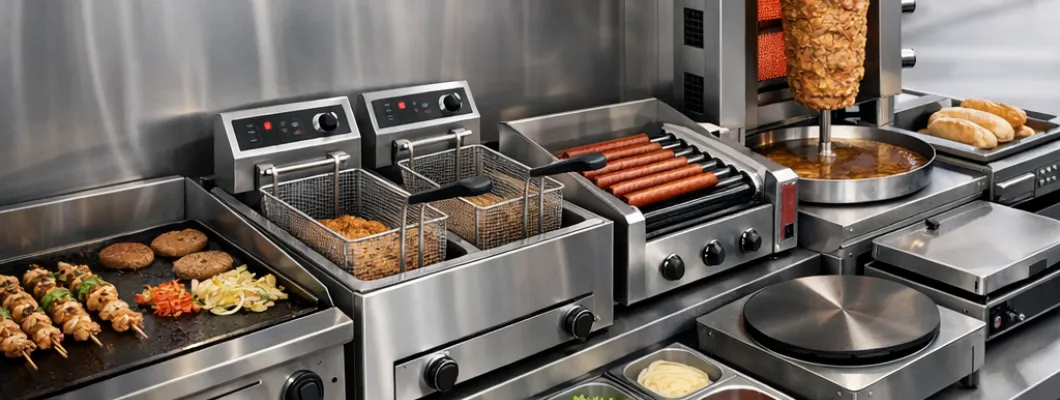
Street Food Equipment: Elevating Your Menu with the Right Machines
The vibrant world of street food is characterized by its rich flavors, cultural diversity, and dynamic cooking styles. However, behind the scenes of every delicious street food menu lies careful planning and strategic equipment selection. With the right machines, vendors can not only enhance their menu offerings but also streamline operations, ensuring both quality and efficiency. Whether you’re a seasoned vendor or a new entrant, understanding the core equipment needs is essential to making your street food venture a success.
Assessing the Equipment Challenges for Street Food Vendors
The street food industry presents unique challenges when it comes to equipment planning. Firstly, space constraints often limit the range and size of machines that can be accommodated in a food truck or stall. Secondly, the variability of power sources—ranging from gas to electricity—necessitates machines that are versatile and adaptable. Moreover, the regulatory environment demands equipment that meets strict health and safety standards. Lastly, the need for mobility and quick setup requires machines that are both durable and easy to transport.
Practical Advice for Selecting the Right Machines
When planning your street food menu equipment, consider the following practical steps:
- Define Your Menu: The type of food you plan to offer is the primary determinant of the equipment you'll need. For example, if you're selling fried foods, a reliable deep fryer is essential.
- Prioritize Versatility: Opt for equipment that can perform multiple functions. A combination oven, for instance, can bake, roast, and steam, offering flexibility while saving space.
- Consider Energy Sources: Depending on your location, choose equipment that can work efficiently with the available energy source. For remote areas, gas-powered appliances might be preferable.
- Focus on Durability: Street food equipment must withstand frequent transportation and heavy use. Choose machines made of high-quality materials that can endure the rigors of street vending.
- Maintenance and Ease of Cleaning: Equipment that is easy to clean and maintain will save you time and ensure you meet health regulations.
Implementing Effective Equipment Organization
Once you have selected the right machines, organizing them effectively in your mobile setup is crucial. Start by creating zones within your space—a prep area, cooking area, and serving area. This helps streamline operations and reduces clutter. Furthermore, label storage areas clearly and keep cleaning supplies handy to maintain hygiene standards. Regularly inspect your equipment for signs of wear and tear. Timely maintenance can prevent breakdowns, ensuring that your operations run smoothly during peak hours.
Addressing Commonly Asked Questions
As a street food vendor, you might encounter several questions on equipment planning:
- How often should I service my machines? Regular servicing every 3 to 6 months can prevent major breakdowns, though frequency can depend on usage intensity.
- What should I do if a machine breaks down? Always have a basic set of spare parts and troubleshooting guides on hand. For complex issues, having a relationship with a reliable repair service is invaluable.
- Can I find second-hand equipment suitable for street food? Yes, but always inspect the equipment for wear and ask for a service history to ensure it's in good condition.
Enhancing Your Street Food Venture
Choosing the right equipment for your street food menu is a critical step towards operational success. By investing in versatile, durable, and efficient machines, you lay the foundation for a menu that resonates with taste and quality. Keep abreast of the latest advancements in food technology to continuously improve your offerings. With the right planning and equipment, your street food business can thrive, delighting customers with every bite.