
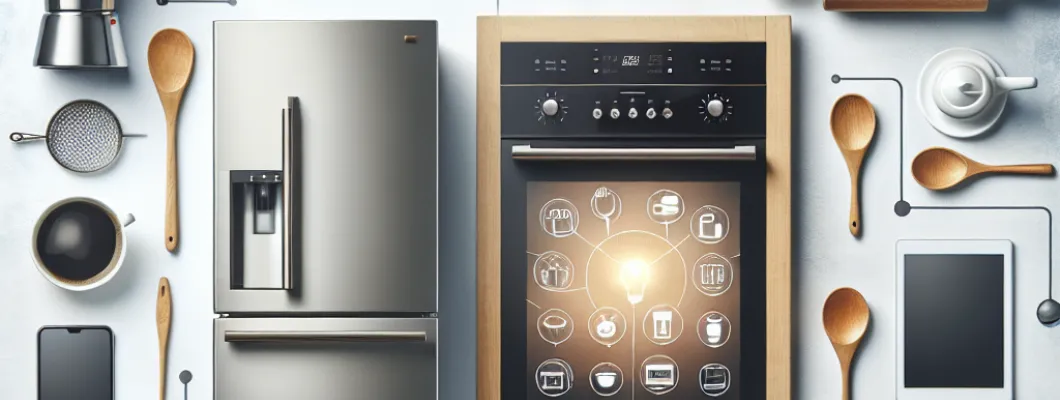
Smart Kitchen Technology: Revolutionizing the Culinary World
The culinary industry is experiencing a significant transformation, thanks to smart kitchen technology. As automation finds its place in professional kitchens, chefs and restaurant owners are embracing a new era of efficiency and creativity. This technological advancement doesn't just promise enhanced productivity; it heralds an evolution in the way kitchens function, making them smarter, safer, and more sustainable. But what challenges come with this innovative leap, and how can professionals harness this technology effectively?
The Challenge: Bridging Tradition with Innovation
While the advantages of smart kitchen technology are clear, integrating these innovations into established culinary practices presents a unique set of challenges. Many professional kitchens are steeped in tradition, where time-honored techniques and manual precision are highly valued. Introducing automation into this environment requires a careful balancing act.
One primary concern is the initial cost and complexity of implementing smart kitchen technology. High-tech equipment can represent a significant investment, and ensuring that the staff is adequately trained to use these new tools efficiently is another hurdle. Additionally, there is a natural resistance to change within any industry that relies on traditional skills. Chefs may worry about losing the artisanal touch that defines their culinary identity.
Embracing Smart Kitchen Technology: Practical Advice
To navigate these challenges, it's crucial for restaurant owners and chefs to approach smart kitchen technology with a strategic mindset. Here are some practical tips for successful integration:
- Start Small: Begin by implementing a few key smart devices that address specific pain points in your kitchen, such as automated inventory systems or smart ovens that ensure precise cooking temperatures.
- Focus on Training: Ensure that your staff receives comprehensive training on any new technology. This not only boosts confidence but also helps in maintaining the quality of culinary outputs.
- Evaluate ROI: Continuously assess the return on investment. Track how automation impacts efficiency, reduces waste, or improves customer satisfaction to justify further investments.
- Blend Technology with Craft: Encourage chefs to use smart kitchen tools as a complement to their skills, enhancing rather than replacing traditional methods.
Smart Kitchens in Action: Transforming Culinary Operations
Smart kitchen technology is already making waves in various culinary establishments. Renowned restaurants and catering services are leading the way by using automation to streamline operations. For example, some kitchens leverage smart refrigerators with inventory management systems that automatically reorder supplies when stocks are low, reducing waste and preventing shortages.
Additionally, automated cooking stations are transforming how meals are prepared at scale. These stations can replicate the precision of a chef's touch, ensuring consistency and freeing up time for culinary teams to focus on creativity and innovation. Smart technology is also enhancing safety in kitchens with systems that monitor cooking temperatures and alert staff to potential fire hazards.
Frequently Asked Questions
- How can smart kitchen technology improve kitchen efficiency? By automating repetitive tasks and providing real-time data on inventory and equipment status, smart kitchen technology reduces downtime and enhances overall productivity.
- What smart kitchen devices are most beneficial for professional kitchens? Smart ovens, automated inventory management systems, and sensor-equipped cooking equipment are among the most beneficial devices for enhancing kitchen operations.
- Is it possible to maintain culinary artistry with automation? Absolutely. Smart kitchen technology is designed to complement chefs’ skills, allowing them to focus more on creativity and innovation while maintaining high standards of quality and presentation.
The Future of Culinary Excellence
The integration of smart kitchen technology into professional kitchens marks a significant shift towards a future where efficiency and creativity coexist seamlessly. As the culinary world continues to evolve, those who embrace this technological revolution will find themselves at the forefront of innovation, delivering exceptional dining experiences. By strategically adopting smart kitchen solutions, restaurant owners and chefs can ensure their establishments remain competitive and relevant in an increasingly tech-driven landscape. The fusion of tradition and technology promises not only to preserve culinary artistry but to elevate it to unprecedented heights.