
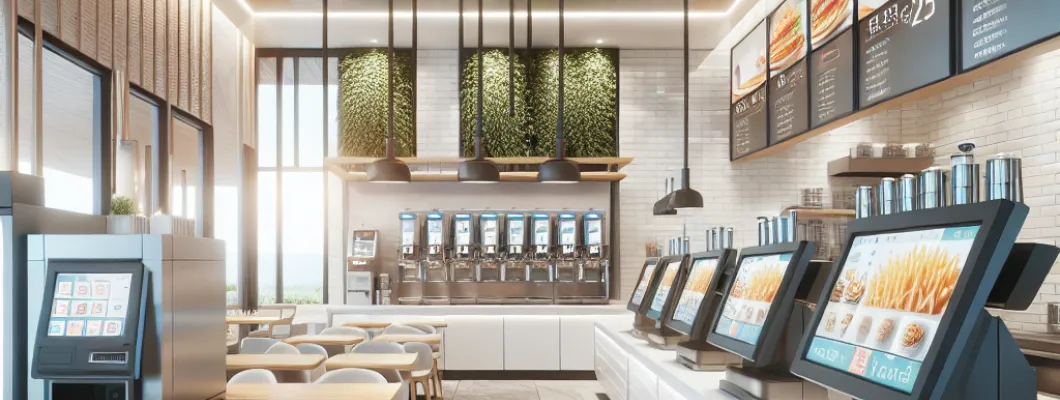
Scaling Your Fast Food Restaurant for Higher Demand
As the popularity of fast food continues to rise, more restaurant owners find themselves facing the exhilarating challenge of scaling their operations to meet higher demand. The thrill of seeing more customers can quickly turn into a logistical headache if your establishment isn't equipped to handle the surge efficiently. Upgrading your fast food equipment is an essential part of this growth, ensuring you maintain quality and speed without compromising customer satisfaction.
Understanding the Challenge of Scaling
Scaling a fast food restaurant isn't just about adding more tables or extending service hours. It's about optimizing every aspect of your operation, from the kitchen to the front counter. One of the most significant challenges lies in adequately updating your fast food equipment to handle increased orders without sacrificing speed or product quality. Inefficient equipment can lead to bottlenecks in service, longer waiting times, and ultimately, dissatisfied customers.
Furthermore, the financial implications are non-negligible. Investing in new equipment requires capital, and it's crucial to prioritize purchases that will offer the most significant return on investment. It becomes imperative to determine which pieces of equipment will most effectively enhance your restaurant’s capacity and streamline operations.
Practical Advice on Upgrading Fast Food Equipment
To successfully scale your restaurant, consider the following practical tips for upgrading your fast food equipment:
- Evaluate Your Current Equipment: Start by assessing the strengths and weaknesses of your current setup. Identify the machines that are underperforming or have become obsolete, and focus on upgrading these first.
- Research Smart Technologies: Modern fast food equipment is often integrated with smart technology that can monitor performance, reduce energy consumption, and streamline kitchen workflow. Investing in such technologies can save time and reduce operational costs.
- Prioritize High-Impact Equipment: Identify which equipment will have the most immediate impact on your ability to serve more customers. Fryers, grills, and beverage dispensers are often the backbone of fast food operations, and upgrading these can significantly enhance service speed and quality.
- Consider Ergonomics and Space Utilization: As you scale, space can become a critical constraint. Look for equipment that offers compact designs but delivers high performance, maximizing your kitchen's efficiency without requiring extensive remodeling.
- Staff Training and Maintenance: New equipment often requires new skills. Ensure your staff is adequately trained to operate and maintain any new machines to prevent downtime and extend the equipment’s lifespan.
Fast Food Equipment in Action: Real-World Examples
Incorporating the right fast food equipment can transform your restaurant's operations. For instance, imagine a busy lunchtime rush where a state-of-the-art high-capacity fryer reduces cooking time by 30%, significantly cutting wait times. Coupled with an efficient point-of-sale system, orders are processed faster, resulting in a smoother customer experience.
Consider the case of a fast food chain that integrated a new conveyor oven into their setup. The oven allowed for simultaneous baking of multiple types of pizzas with varying crust thicknesses, effectively doubling their output. This strategic upgrade not only improved order fulfillment speed but also maintained the product quality, preserving the brand's reputation.
Frequently Asked Questions About Scaling Fast Food Restaurants
- What are the risks of not upgrading fast food equipment? Failing to upgrade can lead to inefficiencies, longer customer wait times, and ultimately, a loss of business. Additionally, older equipment can be more prone to breakdowns, causing unplanned downtime.
- How can I determine which equipment upgrades are necessary? Conduct a thorough audit of your current operations to identify bottlenecks. Consult with equipment experts and consider customer feedback to prioritize upgrades.
- Is it better to lease or buy new equipment? This depends on your financial situation and long-term needs. Leasing can be beneficial for managing cash flow and keeping up with technology advancements, whereas buying might be more cost-effective in the long run.
- How can technology impact fast food equipment efficiency? Technology can automate many processes, reduce energy consumption, and offer insights into operational efficiencies, thus improving service speed and customer satisfaction.
Stepping Up to Meet Demand
Success in the fast food industry requires more than just great food; it demands operational excellence and the ability to adapt quickly to increased demand. By investing in the right fast food equipment, you can streamline your operations, serve more customers efficiently, and maintain the quality that keeps them coming back. Embrace technological advancements and thoughtful planning to ensure your restaurant scales smoothly and sustains its growth trajectory.