
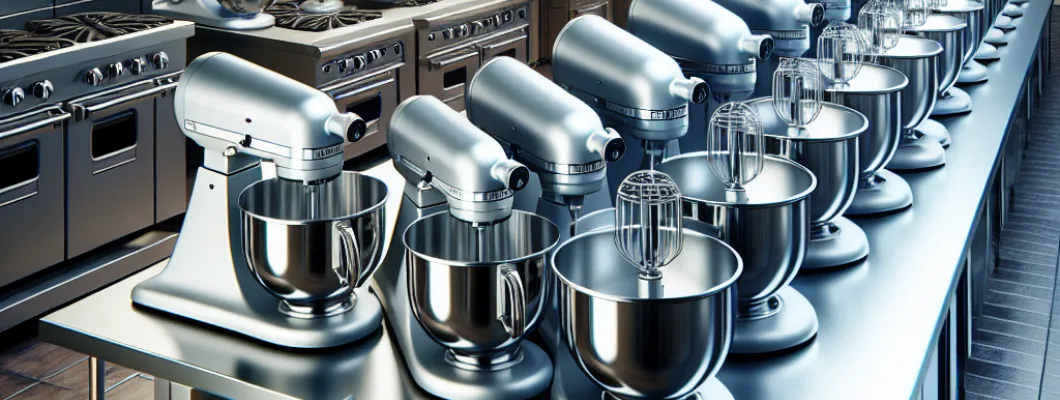
Planetary Mixers: Choosing the Right Capacity for Your Kitchen
When it comes to efficient and effective food preparation, the right equipment can make all the difference. Among the most essential tools in any commercial kitchen is the planetary mixer. Whether you're crafting delicate pastries or hearty bread, choosing the right capacity for your planetary mixer is crucial. This decision impacts not only your workflow but also the quality of your culinary creations. Let’s dive into the factors you should consider to ensure you make the best choice for your kitchen.
Understanding the Challenge
In the bustling environment of a professional kitchen, having a planetary mixer with an appropriate capacity is non-negotiable. The challenge lies in balancing your kitchen's needs with the available options in the market. A mixer that is too small could slow down your operations, leading to inefficiencies and delays. Conversely, a mixer that is too large might mean wasted resources and unnecessary expenditure. Thus, understanding your kitchen's specific requirements is the first step in overcoming this challenge.
Practical Advice for Making the Right Choice
When selecting the right capacity for your planetary mixer, consider the following factors:
- Menu Requirements: Assess the types of dough and mixtures you will be handling regularly. Different recipes demand different mixer capacities. For instance, bread doughs require more powerful mixers than cake batters.
- Volume of Production: Calculate the average volume of the mixtures prepared per day. A small café might do well with a 5-quart mixer, while a busy bakery might need a 20-quart or even larger.
- Space Constraints: Planetary mixers come in a range of sizes. Ensure that the mixer you choose fits comfortably in your kitchen space without disrupting the flow of operations.
- Future Growth: Consider potential increases in production. Investing in a slightly larger mixer can be more economical in the long run if you anticipate growth in your business.
Behavior and Organization in Action
In practice, choosing the right planetary mixer capacity can streamline your kitchen operations dramatically. For instance, a bakery that upgraded from a 10-quart to a 30-quart mixer reported a significant increase in productivity. The ability to prepare larger batches in one go resulted in less time spent on preparation and more time available for creativity and customer interaction. Additionally, kitchens that systematically assessed their needs and planned for future growth found fewer disruptions in scaling their operations.
Frequently Asked Questions
Here are some common concerns regarding planetary mixers:
- Do I need multiple mixers with different capacities? This depends on the diversity of your menu. If your recipes vary significantly in quantity and type, having mixers of different capacities can be beneficial.
- How do I maintain my planetary mixer? Regular maintenance includes cleaning after each use, checking for worn parts, and following the manufacturer's service guidelines to ensure longevity and performance.
- Is investing in a large capacity mixer worth it for a small operation? If you plan to expand or diversify your offerings in the future, investing in a larger mixer might save you costs and hassle down the line.
The Final Step in Choosing Your Planetary Mixer
Planetary mixers are a cornerstone of productivity in any kitchen, significantly impacting the efficiency and quality of your culinary creations. By carefully considering your menu needs, production volume, and future growth, you can choose a mixer that not only meets your current demands but also supports your operation's evolution. Remember, the right planetary mixer is an investment in your kitchen's success, helping to elevate your culinary endeavors to new heights.