
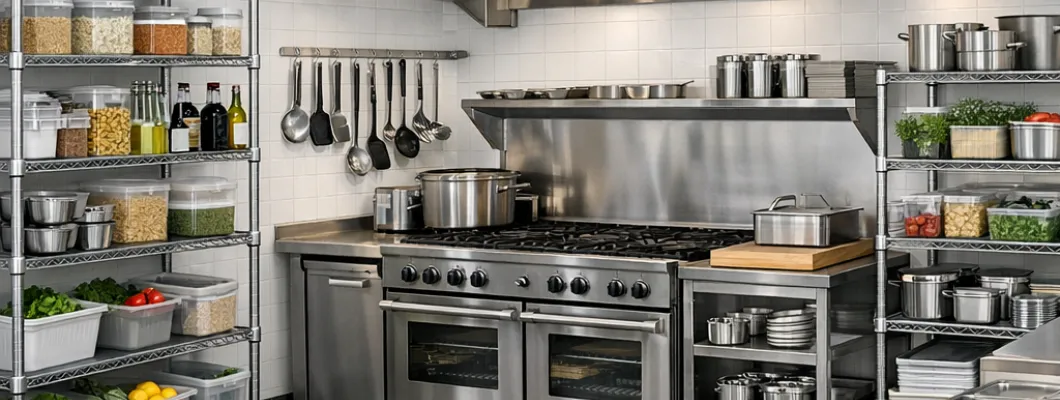
Maximizing Kitchen Storage Space with Commercial Shelving
In the bustling environment of a commercial kitchen, organization and accessibility are crucial. Chefs and kitchen staff need to find ingredients and equipment quickly to keep up with demand. This is where commercial shelving comes into play, offering a practical solution to maximize kitchen storage space. By strategically using shelving, kitchens can improve efficiency, safety, and workflow, ultimately leading to better service and happier customers.
The Challenge of Limited Space
Space is often at a premium in professional kitchens. With a myriad of appliances, utensils, ingredients, and finished dishes whizzing around, it can easily become cluttered and chaotic. Limited space can lead to inefficiencies such as time wasted looking for items, increased risk of accidents due to clutter, and even food spoilage if ingredients are not stored properly. The challenge lies in finding a storage solution that not only maximizes space but also enhances the operational flow of the kitchen.
Practical Advice for Implementing Commercial Shelving
To tackle the challenge of limited space, it’s essential to implement commercial shelving that suits the specific needs of your kitchen. Here are some practical tips:
- Vertical Space Utilization: Utilize the height of your kitchen. Install tall shelving units that allow you to store more items without taking up valuable floor space. Ensure that frequently used items are placed at reachable levels to maintain efficiency.
- Adjustable Shelves: Opt for shelving units with adjustable shelves to accommodate items of various sizes. This flexibility allows for easy reorganization as your storage needs change.
- Durability and Material: Choose shelving made from materials like stainless steel or heavy-duty plastic. These materials are not only durable and easy to clean but also resistant to the harsh conditions often found in commercial kitchens.
- Open Shelving: Use open shelving for easy access and visibility. This helps staff quickly locate and retrieve items, which is essential during busy service periods.
- Labeling and Categorization: Implement a labeling system for shelves to ensure everything has a designated place. Group similar items together to streamline workflow and reduce retrieval time.
Behavior and Organization in Action
When commercial shelving is used effectively, it transforms kitchen operations. Imagine a kitchen where everything is stored neatly on labeled shelves, categorized by use and ingredient type. Chefs can move seamlessly from task to task, grabbing necessary items without hesitation. Mise en place becomes a swift process rather than a stressful one as everything is easily accessible.
Consider a real-world example: A busy urban bistro implements commercial shelving systems to store dry goods, cooking utensils, and prep tools. They notice a significant decrease in the time spent searching for items, a reduction in spoilage due to better visibility of expiration dates, and an overall improvement in kitchen morale. Their kitchen staff can focus more on crafting delicious dishes rather than navigating through clutter.
Frequently Asked Questions
- What type of shelving is best for cold storage? Stainless steel shelving is ideal for cold storage as it resists moisture and is easy to clean.
- How do I maintain the cleanliness of commercial shelving? Regularly wipe down shelves with a food-safe cleaner and ensure items are returned to their designated spots to maintain organization.
- Can shelving units be customized? Yes, many manufacturers offer customizable shelving options to fit the specific dimensions and needs of your kitchen.
- What safety precautions should be taken with high shelves? Ensure that heavy items are stored on lower shelves and use secure step ladders to access higher shelves safely.
Bringing It All Together
Maximizing kitchen storage space with commercial shelving is more than just a matter of organization; it's about creating an efficient, safe, and productive environment. By choosing the right shelving solutions and implementing them effectively, you can transform your kitchen into a well-oiled machine. Not only does this lead to smoother operations and better service, but it also fosters a more pleasant working environment for your staff, ultimately enhancing the overall dining experience for your patrons.