
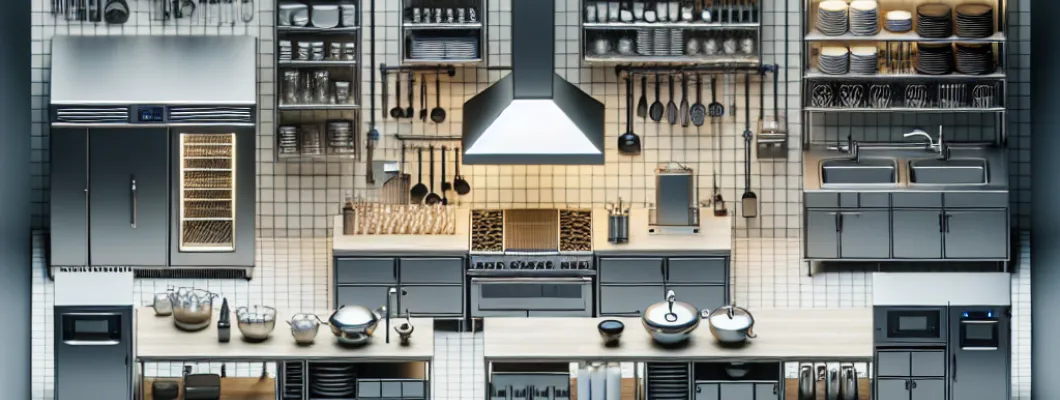
Maximizing Efficiency: Smart Equipment Placement Strategies in Restaurant Kitchens
In the fast-paced environment of restaurant kitchens, efficiency is paramount. The success of a culinary operation often hinges on how well the kitchen is organized, which directly impacts productivity, safety, and food quality. At the heart of this organization lies the strategic placement of equipment. Whether you're setting up a new kitchen or reconfiguring an existing one, understanding the nuances of equipment placement is crucial for optimizing workflow. Let's explore the art and science of workflow optimization in restaurant kitchens through effective equipment placement strategies.
The Challenge of Workflow Optimization
One of the most significant challenges in restaurant kitchen design is creating an efficient workflow. This involves minimizing unnecessary movements, reducing clutter, and ensuring that chefs and kitchen staff can perform their tasks with ease. Poorly placed equipment can lead to bottlenecks, slower service, and increased stress among staff, which ultimately affects the dining experience. The challenge is to balance functionality with available space, using a layout that fosters seamless operations while adhering to health and safety standards.
Practical Advice for Equipment Placement
Successful workflow optimization in restaurant kitchens begins with strategic planning and the judicious placement of equipment. Here are some practical strategies:
- Adopt the Kitchen Work Triangle: This concept involves arranging the sink, refrigerator, and stove in a triangular layout to minimize movement and maximize efficiency.
- Zone your Kitchen: Divide the kitchen into dedicated zones such as prep, cooking, plating, and cleaning areas. Ensure that equipment is placed in the relevant zone to support specific tasks.
- Utilize Vertical Space: Maximize overhead storage and shelving to keep essential tools within reach while maintaining a clutter-free work surface.
- Consider the Flow of Ingredients: Place storage areas and preparation equipment strategically to create a natural flow from storage to preparation to cooking.
- Prioritize Accessibility: Ensure that frequently used equipment and ingredients are easily accessible to minimize time spent searching.
Organizational Strategies in Action
Implementing these strategies involves a combination of planning and observation. Once you have identified the zones and mapped out equipment placement, observe the workflow during peak hours. Note any areas where staff appears congested or equipment is underutilized. Consider adjustments such as relocating underused items or introducing movable stations to increase flexibility. Regularly solicit feedback from kitchen staff, as their insights can reveal practical improvements you might overlook. By engaging with the team and being open to iterative changes, you can enhance the kitchen's efficiency and foster a more harmonious work environment.
Frequently Asked Questions
- What is the most common mistake in equipment placement? A common mistake is neglecting to consider the natural workflow of tasks, leading to excessive movement and inefficiency.
- How can I optimize a small kitchen space? Focus on vertical storage, modular equipment, and multi-functional appliances to make the most of limited space.
- Is it worth investing in custom kitchen designs? Custom designs can be beneficial for unique kitchen spaces or specific operational needs, ensuring optimal workflow and efficiency.
Unlocking the Potential of Your Kitchen
By thoughtfully considering equipment placement and continuously refining your kitchen layout, you can significantly enhance the efficiency of your restaurant’s operations. Remember that workflow optimization in restaurant kitchens is not a one-time task but an ongoing process that evolves with your business needs. Embrace the opportunity to re-evaluate and adapt your strategies to maintain a streamlined, productive, and enjoyable cooking environment. Ultimately, a well-organized kitchen not only supports your staff but also elevates the dining experience for your customers, making it a worthy investment of time and effort.