
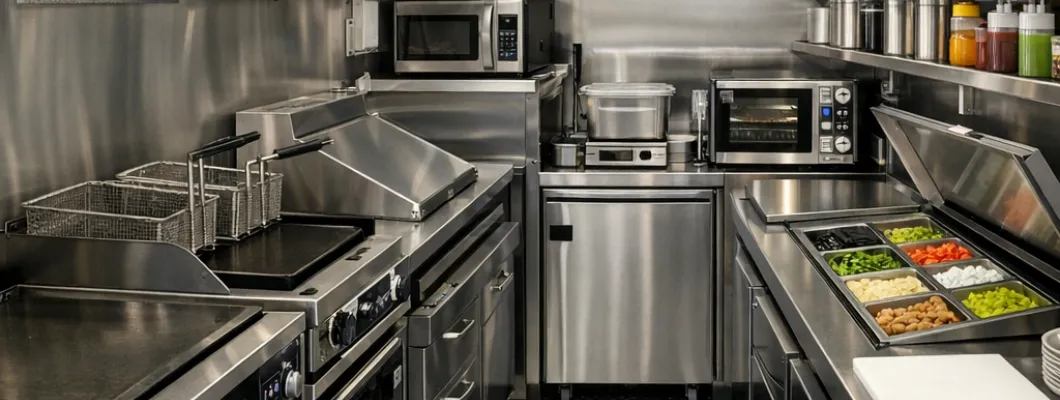
Maximizing Efficiency in Small Food Truck Kitchens
In the bustling world of street food, food trucks have carved a niche for themselves as mobile culinary powerhouses. However, while they offer flexibility and a direct connection to customers, food truck kitchens present unique challenges. Maximizing efficiency in small spaces is crucial to success, as it directly impacts the speed and quality of service. This article explores how to optimize food truck kitchen equipment, ensuring that every inch of your compact space is used to its fullest potential.
Space Constraints: A Common Food Truck Challenge
Food trucks operate in significantly smaller spaces compared to traditional kitchens, making every square foot a precious resource. The limited space can lead to overcrowding, which in turn hampers workflow and increases the risk of accidents. Additionally, food truck owners often face the challenge of balancing a well-equipped kitchen with the vehicle's weight and power capacity. These constraints demand a strategic approach to kitchen design and equipment selection.
Practical Advice for Optimizing Food Truck Kitchens
To overcome these challenges, food truck operators must carefully plan their kitchen layout and choose equipment that maximizes efficiency. Here are some practical tips:
- Prioritize Multi-Functional Equipment: Seek out appliances that serve multiple purposes. For example, a combination oven that can bake, steam, and grill will save space while increasing your menu options.
- Utilize Vertical Space: Install shelves and hooks to make use of vertical space for storage. This approach helps keep countertops clear, providing more room for food preparation.
- Choose Compact Appliances: Opt for equipment specifically designed for small spaces. Slim-profile refrigerators, under-counter dishwashers, and countertop grills are excellent choices.
- Energy Efficiency: Select energy-efficient appliances to reduce the strain on your power supply and lower operating costs.
- Smart Storage Solutions: Use stackable containers and label everything clearly. This organization will speed up service times and prevent clutter.
Effective Kitchen Organization in Action
Implementing efficient kitchen practices involves more than just choosing the right equipment. It requires a mindset focused on organization and workflow optimization. Consider these strategies:
- Streamline Workflows: Arrange equipment and stations in the order of food preparation to create a logical flow. This method reduces unnecessary movement and speeds up service.
- Mise en Place: Adopt the French cooking principle of "mise en place" (everything in its place). Prepare ingredients and tools before service begins to ensure quick assembly and cooking.
- Regular Maintenance: Keep equipment in top working condition to prevent breakdowns that could disrupt service. Implement a maintenance schedule to routinely check and clean your tools.
- Staff Training: Train your staff to be versatile, able to operate multiple pieces of equipment efficiently. Cross-training enhances flexibility and keeps operations smooth even when short-staffed.
Frequently Asked Questions
Here are brief answers to some common questions about maximizing efficiency in food truck kitchens:
- How can I make the most of my small kitchen space? Focus on acquiring multi-functional and compact equipment, and utilize vertical storage solutions to clear countertop space.
- What is the most important piece of equipment for a food truck? A versatile combination oven is highly valuable due to its ability to perform multiple cooking functions.
- How can I ensure my food truck remains energy efficient? Choose energy-efficient appliances and regularly maintain them to ensure they operate at peak efficiency.
Maximizing Your Food Truck's Potential
Running a successful food truck requires a well-thought-out approach to kitchen design and organization. By prioritizing the right equipment and adopting efficient workflow practices, food truck operators can overcome the challenges of limited space. This not only enhances service speed and quality but also improves the overall customer experience. Embrace these strategies to turn your compact kitchen into a model of efficiency, ready to meet the demands of any busy street food event.