
Maximizing Efficiency in Dishwashing Workflows
In the bustling environment of a restaurant or catering service, the dishwashing area often becomes the unsung hero of the operation. An efficient dishwashing workflow is crucial for maintaining the pace needed to serve customers promptly, ensuring cleanliness, and upholding hygiene standards. With the right strategies and tools, you can transform this vital part of your establishment into a finely tuned machine.
Identifying the Challenge in Dishwashing Workflows
The primary challenge in dishwashing workflows lies in balancing speed and cleanliness without compromising either. High-volume kitchens face unique difficulties, such as bottlenecks caused by an influx of dirty dishes and inadequate drying space. Manual dishwashing can be labor-intensive and time-consuming if not organized properly. Furthermore, inadequate training or lack of effective systems can lead to inconsistent results, affecting both efficiency and hygiene.
Practical Advice for Optimizing Cleaning Processes
To optimize dishwashing workflows, start by analyzing your current process to identify weak points. Here are some practical steps:
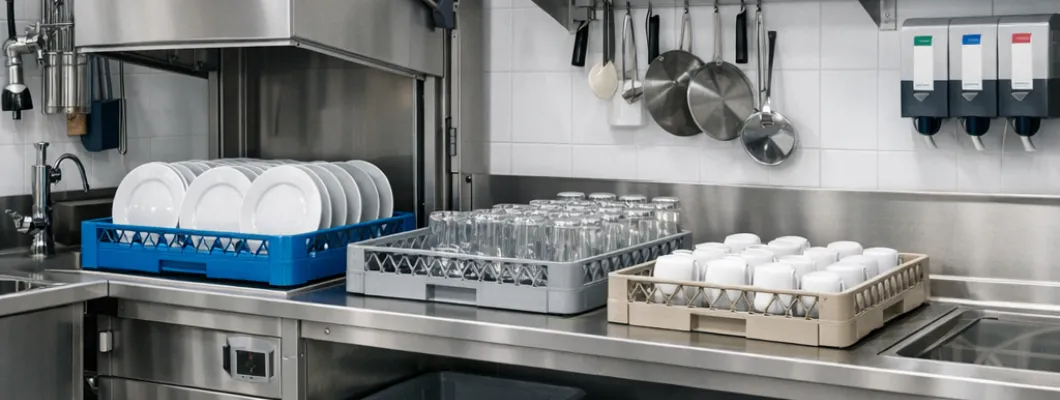
- Streamline Sorting: Establish a clear system for sorting dishes, utensils, and glassware. Use color-coded bins or designated racks to separate items and prevent cross-contamination.
- Invest in Quality Equipment: High-efficiency dishwashers not only clean better but also use less water and energy. Consider models with fast cycles and automated features to speed up the process.
- Use the Right Detergents: Select detergents that match your equipment's specifications and the types of dishes you wash. Proper detergents can enhance cleaning efficiency and prolong the life of your equipment.
- Optimize Space: Design your dishwashing area to minimize the distance between sorting, washing, and drying stations. This reduces movement and accelerates the workflow.
- Implement a Training Program: Train staff regularly on best practices for loading, unloading, and maintaining dishwashing equipment to prevent errors and downtime.
Behavior and Organization in Action
An effectively organized dishwashing process involves more than just equipment; it also requires a team that's well-versed in their roles and responsibilities. Here’s how to put your optimized strategy into action:
- Assign Roles: Clearly define responsibilities for each team member. For example, have dedicated personnel for scraping and pre-rinsing, loading the dishwasher, and organizing clean items.
- Implement a Checkpoint System: Establish checkpoints for quality control to ensure that every dish meets your hygiene standards before it leaves the washing area.
- Regular Maintenance: Schedule regular maintenance checks for all dishwashing equipment. A well-maintained machine runs more efficiently and helps prevent unexpected breakdowns.
- Encourage Feedback: Create a feedback loop where staff can suggest improvements. They are on the front line and can provide valuable insights into potential efficiency gains.
Short Answers to Frequently Asked Questions
How often should I service my dishwashing equipment?
Regularly servicing your dishwashing equipment is crucial for optimal performance. Aim for a routine maintenance check every three to six months, depending on usage levels.
What are some signs of inefficiency in my dishwashing workflow?
Indicators of inefficiency include frequent bottlenecks, inconsistent cleanliness of dishes, high water or detergent usage, and frequent machine breakdowns.
How can I train my staff effectively?
Develop a comprehensive training program that includes hands-on demonstrations, written guidelines, and regular refreshers. Encourage continuous learning by updating protocols as needed.
Should I invest in a commercial dishwasher?
Investing in a commercial dishwasher is often beneficial for high-volume operations. It saves time, reduces manual labor, and ensures consistently high hygiene standards.
Final Thoughts on Optimizing Dishwashing Workflows
Optimizing dishwashing workflows requires a combination of the right equipment, strategic planning, and a well-trained team. By focusing on these elements, restaurants and catering services can significantly enhance their efficiency, reduce waste, and maintain the high cleanliness standards that customers expect. Continual assessment and adaptation of your processes will ensure your dishwashing area is not just functional, but a model of operational excellence.