
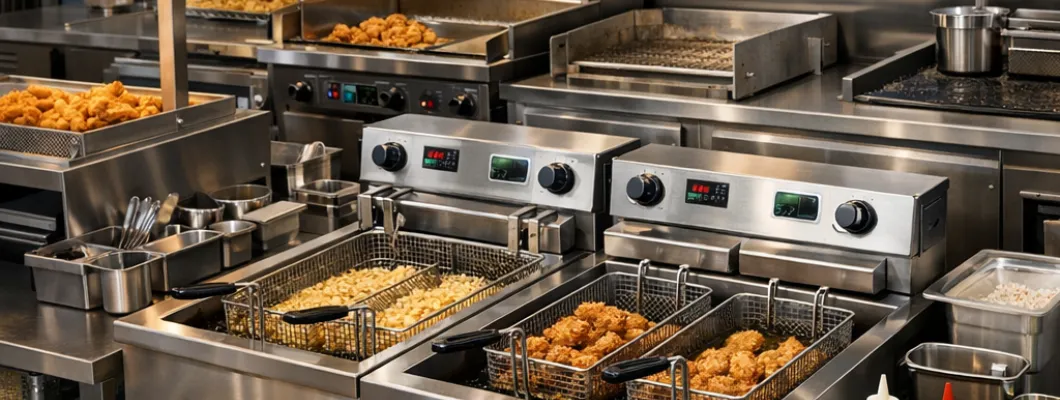
Mastering the Fry Station: Organizing High-Volume Frying for Street Food Success
Street food has become a global phenomenon, celebrated for its rich flavors and diverse offerings. At the heart of many popular street food ventures is the humble fry station. From crispy falafels to golden fries, a well-organized and efficient fry station is crucial for handling high-volume frying. In this article, we delve into the challenges and strategies for optimizing your fry station to ensure success in the bustling world of street food.
Understanding the Challenges of High-Volume Frying
Operating a fry station in a street food environment presents several unique challenges. The first hurdle is space constraints. Street food stalls are often compact, requiring vendors to maximize efficiency in a limited area. Another significant challenge is maintaining product consistency. With high-volume frying, it’s easy for quality to slip, resulting in unevenly cooked food or soggy textures. Moreover, handling the high demand during peak hours can put a strain on both equipment and staff, potentially leading to slower service and longer customer wait times.
Practical Advice for Organizing Your Fry Station
To overcome these challenges, effective organization of the fry station is essential. Here are some practical tips to help you streamline operations:
- Choose the Right Equipment: Investing in high-quality fryers designed for high-volume frying is crucial. Look for fryers with rapid heat recovery times and ample capacity to meet your cooking needs.
- Optimize Workflow: Arrange your fry station layout to allow for a smooth flow of tasks. Consider the placement of fryers, prep areas, and serving stations to minimize movement and maximize efficiency.
- Standardize Procedures: Develop standardized cooking procedures to ensure consistency. This includes timing for cooking, oil temperature monitoring, and portion control.
- Implement an Oil Management System: Regularly filter and replace oil to maintain quality. Implementing an oil management system can help prolong oil life and improve food taste.
- Train Your Team: Proper training is key to managing high-volume frying. Educate your staff on best practices for operating fryers, food safety protocols, and efficient multitasking.
Behavioral Strategies and Organization in Action
Once your fry station is organized, observing how these strategies work in action is vital. During peak hours, coordination and communication become paramount. Assign specific roles to your team members, such as a fryer operator, a packager, and a server, to streamline operations. Encourage a culture of proactive communication where team members can call out orders and alert each other to any issues.
Implementing a system of regular checks and balances ensures that equipment is functioning correctly and that the quality of the fried food is consistent. Introducing a checklist for cleaning and maintenance tasks at the end of each day helps keep the fry station in optimal condition. By fostering a team-oriented environment, you can improve morale and efficiency, leading to faster service and satisfied customers.
Frequently Asked Questions
Here are some common questions about organizing a high-volume fry station for street food:
- How can I maintain oil quality during high-volume frying? Regularly filter the oil and establish a routine for changing it to prevent burnt flavors. Using an oil management system can be helpful.
- What should I do if my fry station space is limited? Optimize your layout by placing equipment strategically and using vertical space for storage. Consider compact equipment designed for small spaces.
- How do I ensure consistency in my fried products? Standardize cooking times and temperatures and train your team to follow these guidelines meticulously. Using timers and thermometers can assist in achieving uniform results.
Maximizing Success with an Organized Fry Station
Organizing a fry station for high-volume frying is both an art and a science. By understanding the challenges and implementing practical strategies, you can transform your street food venture into a well-oiled operation. Investing in the right equipment, optimizing your workflow, and training your team are core components of success. With dedication and attention to detail, you can offer consistently delicious fried foods that keep customers coming back for more, solidifying your place in the vibrant street food scene.