
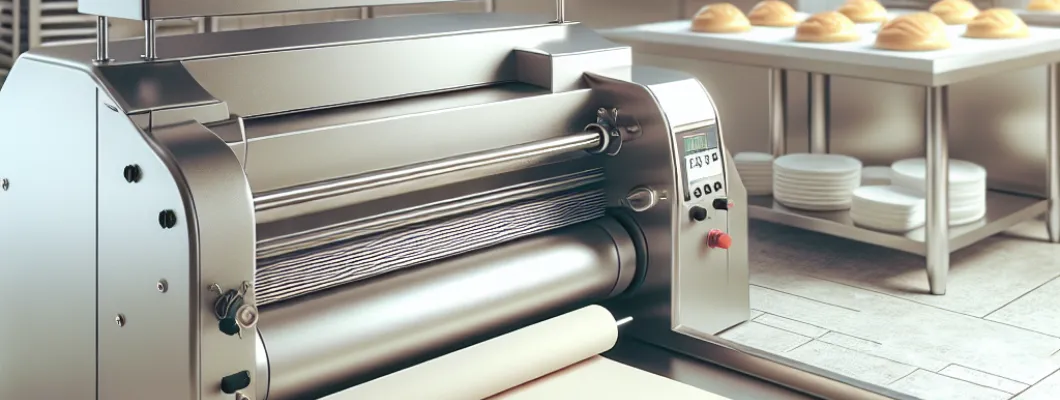
Mastering the Art of Dough Sheeting for Diverse Dough Types
Whether you're a seasoned baker or a culinary novice, mastering the art of dough sheeting can revolutionize your baking experience. Dough sheeters are invaluable tools, designed to save time and ensure consistency, but they’re not one-size-fits-all. Different dough types demand different handling techniques. Understanding the nuances of working with various doughs can elevate your baking game to professional levels.
Understanding the Challenges of Dough Sheeting
While dough sheeters are powerful allies in the kitchen, they pose unique challenges when dealing with different dough types. The primary challenge lies in the dough's composition, as varying moisture levels, gluten content, and ingredient ratios can significantly affect the sheeting process. For instance, pastry doughs require a delicate touch to maintain their flakiness, while a pizza dough needs to retain its elasticity for perfect stretchability.
Moreover, temperature control and machine settings can further complicate matters. A dough that is too cold may crack when passed through the sheeter, while one that is too warm might stick and lose its shape. These challenges demand an understanding of both the dough and the equipment, ensuring that the dough sheeter complements rather than complicates your baking process.
Practical Tips for Handling Different Dough Types
When working with a dough sheeter, consider these practical tips to optimize your results:
- Chill Your Dough: For pie crusts and puff pastries, chilling the dough before sheeting helps maintain its structure and prevents sticking. Ensure it's firm yet pliable.
- Adjust Thickness Gradually: Start with a larger setting and gradually move to thinner settings. This approach prevents tearing and helps achieve a uniform texture.
- Flour Sparingly: Use just enough flour to prevent sticking, particularly with high-moisture doughs like those for bread. Excessive flour can alter the dough’s texture.
- Rest Between Passes: Allow dough to rest between passes through the sheeter. This helps gluten relax, reducing shrinkage in the final product.
- Mind the Temperature: Keep an eye on the temperature of both the dough and the environment. A cool workspace is ideal for working with butter-heavy doughs like puff pastry.
Behavior and Organization in Action
In a professional kitchen, the effective use of dough sheeters can be transformative. Consider the operations of a busy bakery, where consistency and speed are of the essence. Here, the workflow is streamlined by having a dedicated station for dough sheeting, ensuring that each type of dough is processed quickly and efficiently.
Staff are trained to understand the specific needs of different doughs, adjusting the sheeter settings accordingly. For example, when handling croissant dough, the team ensures the dough is adequately chilled and folds are precise to achieve that perfect flaky texture. This level of organization and understanding of the dough sheeter's capabilities allows for high-quality, consistent results across all baked goods.
Frequently Asked Questions
- Can I use a dough sheeter for all types of dough? While versatile, dough sheeters are best suited for dough that benefits from consistent thickness, like pastry and pasta doughs. Adjustments might be necessary for high-hydration doughs.
- How do I prevent my dough from sticking to the sheeter? Ensure your dough is adequately chilled and lightly floured. Avoid excessive flour as it can dry out the dough.
- Why does my dough tear in the sheeter? Tearing often occurs due to overworking or insufficient hydration. Gradually reduce the thickness to prevent stress on the dough.
- Is there a specific type of dough sheeter for different doughs? Most commercial dough sheeters are designed to handle a variety of doughs. However, understanding the settings and characteristics of your dough is crucial for optimal performance.
Elevating Your Dough Sheeting Experience
Mastering dough sheeters involves more than just mechanical operation; it requires a keen understanding of the dough's characteristics and the settings of your equipment. By embracing these tips and understanding the challenges, you can harness the full potential of your dough sheeter, ensuring each bake meets professional standards. With practice, patience, and a bit of know-how, your culinary creations will consistently impress, making dough sheeting an indispensable part of your baking repertoire.