
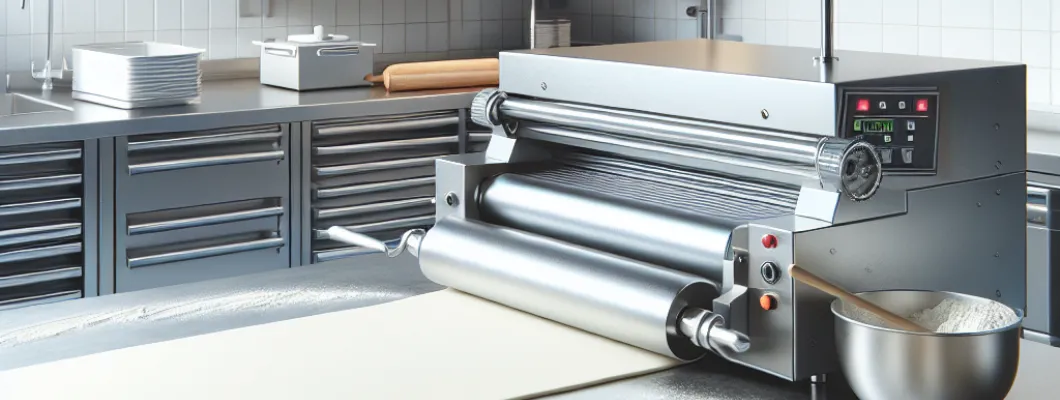
Mastering the Art of Dough: Sheeters vs. Manual Rolling
The art of dough preparation is a cornerstone of culinary excellence. Whether you're crafting flaky pastries, delicate pasta, or hearty bread, the method of shaping dough significantly impacts the end result. In the bustling environment of professional kitchens, the choice between using dough sheeters and manual rolling is crucial. Both techniques offer unique advantages and challenges in terms of time, cost, and quality. Deciding which method best suits your needs involves a deep dive into the nuances of each approach.
Understanding the Dough Challenge
The decision between dough sheeters and manual rolling often boils down to three critical factors: time, cost, and quality. In high-volume environments, time efficiency is paramount. Dough sheeters can quickly handle large batches, consistently producing uniform thickness. On the other hand, manual rolling, while time-intensive, offers a level of artisanal control that some chefs find invaluable.
Cost is another significant factor. Investing in a dough sheeter represents an upfront cost that can be substantial, yet it may save money in the long run by reducing labor expenses and minimizing dough waste. Conversely, manual rolling requires less initial investment but necessitates skilled labor, which can translate into higher ongoing costs.
Quality is subjective and varies depending on the type of dough and the desired outcome. While dough sheeters ensure uniformity and consistency, manual rolling allows for a personalized touch and the ability to adapt to subtle variations in dough texture and elasticity.
Practical Advice for Choosing Between Dough Sheeters and Manual Rolling
For professional kitchens and catering establishments, choosing between dough sheeters and manual rolling depends on several practical considerations:
- Volume of Production: If your operation demands large quantities of dough daily, a dough sheeter could significantly enhance efficiency. For smaller batches or specialized products, manual rolling might suffice.
- Space Availability: Dough sheeters require dedicated counter space and storage. Ensure your kitchen layout can accommodate this equipment comfortably.
- Skill Level: Assess the skill level of your team. If you have a team of skilled bakers, manual rolling could be feasible. However, less experienced staff could benefit from the consistency and ease of a dough sheeter.
- Budget Considerations: Evaluate your budget not only for the initial purchase of a dough sheeter but also for its maintenance. Weigh these against the ongoing labor costs associated with manual rolling.
Organizations in Action: How Kitchens Adapt
Many professional kitchens have found success by adopting a hybrid approach, using dough sheeters for high-volume tasks and manual rolling for artisanal or small-batch items. For example, a bakery might use a dough sheeter to produce consistent pastry layers while reserving manual techniques for decorative bread or specialty pasta.
Restaurants that emphasize handmade quality often train their staff extensively in manual rolling, ensuring that each piece of dough reflects the chef's skill and attention to detail. Conversely, operations focusing on speed and uniformity may rely heavily on dough sheeters, optimizing workflow and minimizing human error.
Frequently Asked Questions
- Can a dough sheeter handle all types of dough? Most dough sheeters are versatile and can accommodate various dough types, from pizza to puff pastry. However, very sticky or unusually delicate doughs may still require manual handling.
- How does manual rolling affect dough quality? Manual rolling offers greater control over the dough's texture and thickness, which can result in a superior artisanal quality. However, achieving consistency requires skill and experience.
- Is a dough sheeter a worthwhile investment? For operations requiring high volume and consistency, a dough sheeter can be a valuable investment, reducing labor costs and enhancing efficiency. For smaller or niche operations, manual rolling could be more appropriate.
Making the Right Choice for Your Kitchen
The decision between dough sheeters and manual rolling is not one-size-fits-all. It requires a careful assessment of your kitchen's needs, the skill level of your staff, and your culinary goals. Whether prioritizing efficiency or seeking the nuanced touch of hand-rolled dough, understanding the strengths and limitations of each method will guide you to the best choice for your establishment. Embrace the tool that aligns with your vision, ensuring each dough creation not only meets but exceeds your culinary standards.