
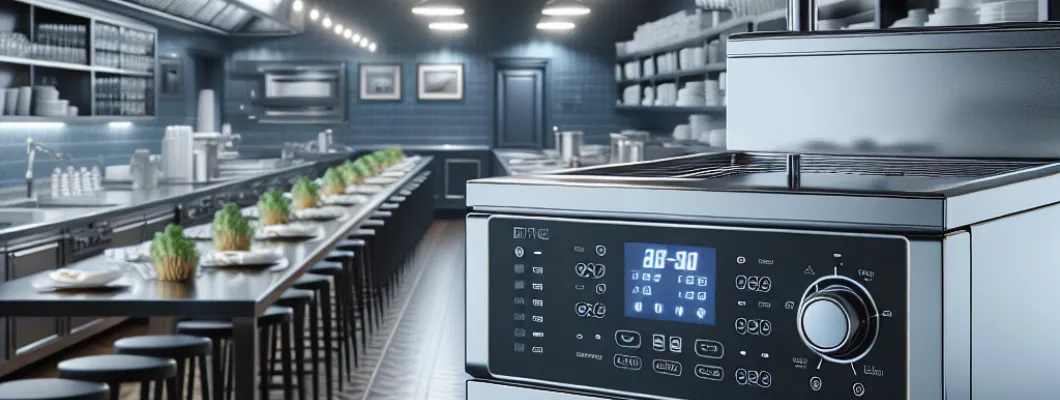
Induction Fryers: Revolutionizing Energy Efficiency and Safety in Professional Kitchens
In the rapidly evolving world of culinary tools, induction fryers have emerged as a game-changer for professional kitchens. Renowned for their energy efficiency and safety benefits, these innovative appliances are reshaping the way chefs approach frying tasks. Whether you're running a bustling restaurant or a catering service, understanding the advantages of induction fryers can significantly enhance your kitchen operations.
Understanding the Challenge: Energy Consumption and Safety in Frying
Traditional fryers, while reliable, come with inherent challenges, particularly regarding energy consumption and safety. Conventional gas and electric fryers are notorious for their high energy usage, contributing to elevated utility costs. Moreover, these fryers pose safety risks, including open flames and exposed heating elements, which can lead to accidents and burns in a busy kitchen environment. As energy costs continue to rise and safety regulations become more stringent, the demand for more efficient and safer frying solutions is more pressing than ever.
Practical Benefits of Induction Fryers
Induction fryers present a viable solution to these challenges, offering a host of benefits that can revolutionize kitchen operations:
- Energy Efficiency: Induction fryers deliver exceptional energy efficiency by utilizing electromagnetic fields to directly heat the cooking vessel. This targeted heating reduces energy waste, ensuring that more of the consumed energy is used for cooking rather than being lost to the environment. This technology can lead to significant reductions in energy bills.
- Enhanced Safety: Safety is a crucial consideration in any kitchen, and induction fryers excel in this area. The absence of open flames and hot surfaces reduces the risk of burns. Additionally, induction fryers often come with built-in safety features such as automatic shut-off and temperature controls, further minimizing potential hazards.
- Precision Cooking: Induction technology provides precise temperature control, allowing chefs to fine-tune their frying techniques. This precision ensures consistent cooking results, crucial for maintaining the quality of dishes.
Induction Fryers in Action: Transforming Kitchen Operations
Many restaurants and catering services have already embraced the transition to induction fryers, experiencing substantial improvements in their operations. Chefs report a noticeable decrease in kitchen heat, making the environment more comfortable for staff. The quick heat response and precise temperature control of induction fryers also reduce cooking times, allowing for faster service during peak hours.
Moreover, the reduced energy consumption aligns with sustainability goals, a growing priority for many establishments. By adopting induction fryers, businesses not only optimize their operations but also demonstrate a commitment to environmentally responsible practices.
Frequently Asked Questions About Induction Fryers
- Are induction fryers more expensive than traditional fryers? While the initial cost of induction fryers can be higher, the long-term savings in energy costs and the extended lifespan of these appliances often justify the investment.
- Do induction fryers require special cookware? Yes, induction fryers require cookware made of ferrous materials. However, many professional-grade pots and pans are already compatible.
- Can induction fryers handle high-volume cooking? Absolutely. Induction fryers are designed for professional use and are capable of handling the demands of high-volume cooking environments.
Embrace the Future of Frying
The culinary landscape is ever-evolving, and staying ahead means adopting technologies that offer tangible benefits to your operations. Induction fryers, with their unmatched energy efficiency and enhanced safety features, are an ideal choice for modern kitchens looking to optimize performance and reduce costs. By investing in induction technology, you're not only upgrading your kitchen's capabilities but also contributing to a safer, more sustainable future for the foodservice industry.