
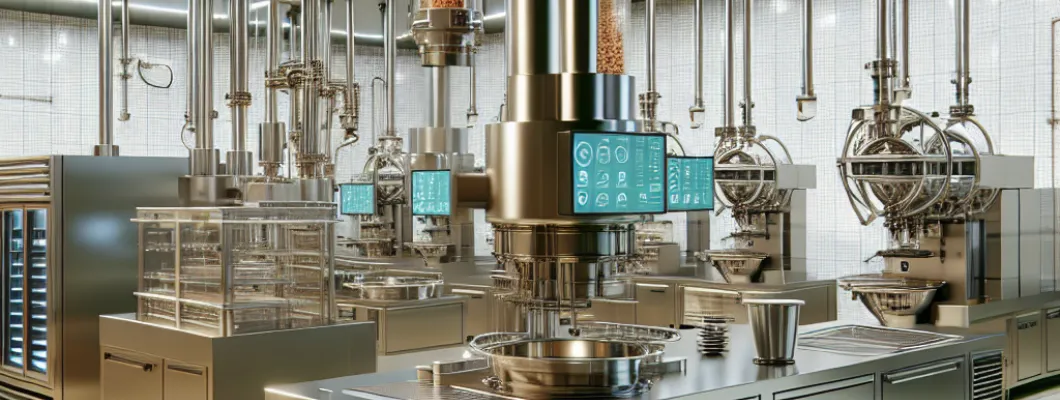
How Sustainable Restaurants Revolutionize with Innovative Food Processing Equipment
As the restaurant industry moves toward a more sustainable future, establishments are finding innovative ways to reduce waste, conserve energy, and promote eco-friendly practices. One essential aspect of this green revolution is the adoption of advanced food processing equipment specifically designed for sustainable restaurants. This cutting-edge technology not only enhances operational efficiency but also aligns with environmental goals. Embracing sustainable food processing equipment can be a game-changer for restaurants aspiring to leave a smaller carbon footprint while delivering exceptional culinary experiences.
Section 1
Sustainable restaurants face numerous challenges, especially when it comes to balancing profitability with eco-friendly practices. The primary hurdle is often the high initial investment required for sustainable food processing equipment. Business owners must evaluate the long-term benefits versus the upfront costs, including reduced energy consumption and minimized food waste. Additionally, finding equipment that integrates seamlessly into existing operations without disrupting service can be daunting. There is also a constant need to stay updated with the latest technological advancements to ensure compliance with evolving regulations and standards.
Section 2
When it comes to outfitting a sustainable restaurant, selecting the right food processing equipment is crucial. Here are some practical tips to guide you:
- Energy Efficiency: Invest in equipment that consumes less energy. Look for certifications such as Energy Star, which ensure that the appliances meet or exceed stringent energy efficiency standards.
- Waste Reduction: Consider equipment that minimizes waste, such as vacuum sealers and advanced composting systems. These tools can help extend the shelf life of ingredients and reduce the volume of food waste.
- Multi-functionality: Choose versatile equipment that can perform multiple tasks. This not only saves space in your kitchen but also reduces the need for additional appliances, contributing to a more sustainable operation.
- Durability and Maintenance: Opt for equipment made from sustainable materials that are built to last. Regular maintenance checks are also essential to ensure optimal performance and longevity.
Section 3
Many restaurants are setting the standard for sustainability by integrating advanced food processing equipment into their daily operations. For instance, some establishments have adopted high-efficiency dishwashers and induction cooktops, significantly reducing water and energy consumption. Others are implementing innovative waste management systems, like bio-digesters that convert food waste into renewable energy. These practices not only streamline operations but also resonate with an environmentally conscious clientele. By showcasing their sustainability efforts, these restaurants enhance their brand image and attract a loyal customer base.
Section 4
Here are some common questions about food processing equipment for sustainable restaurants:
- What is the most cost-effective equipment for a sustainable restaurant? Energy-efficient appliances and waste reduction systems are generally the most cost-effective in the long run, as they lower utility bills and waste disposal costs.
- How can food processing equipment help reduce environmental impact? By using less energy and optimizing waste management, modern equipment reduces a restaurant's overall carbon footprint.
- Are there grants or incentives for purchasing sustainable equipment? Many governments offer incentives or grants for businesses that invest in sustainable practices. It's worth researching local programs that support eco-friendly initiatives.
- How often should sustainable food processing equipment be maintained? Regular maintenance is essential for ensuring equipment operates efficiently and lasts longer. Follow the manufacturer's guidelines and conduct routine checks.
Section 5
As the global movement toward sustainability gains momentum, restaurants have a unique opportunity to lead by example. By investing in innovative food processing equipment, sustainable restaurants can significantly reduce their environmental impact while maintaining high standards of service and quality. This approach not only meets the growing demands of eco-conscious consumers but also positions restaurants as pioneers in the sustainable gastronomy landscape. As technology continues to evolve, the possibilities for creating more sustainable dining experiences are limitless, offering exciting prospects for the future of the restaurant industry.