
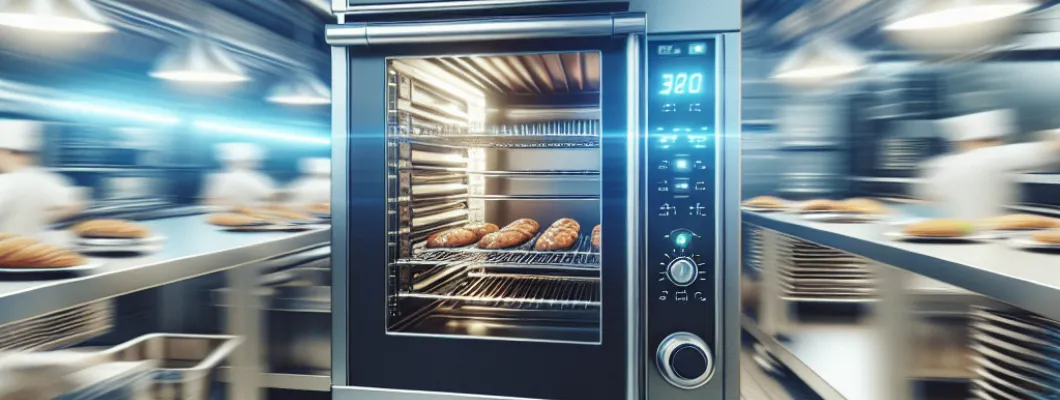
How Fast Ovens Boost Customer Satisfaction with Quicker Service
In the fast-paced world of the culinary industry, time is not just money; it's the essence of customer satisfaction. As patrons become increasingly accustomed to instant gratification, the demand for quick service without compromising on quality is at an all-time high. This is where fast ovens come into play, revolutionizing kitchens with their ability to deliver meals swiftly, enhancing the overall dining experience.
The Challenge of Meeting Modern Expectations
Today's restaurant-goers expect a seamless experience, from the moment they place their order to when it arrives at their table. However, traditional ovens, with their slower cooking times, often pose a challenge in meeting these expectations, especially during peak hours. The pressure to produce high-quality meals quickly can lead to compromised quality, stressed staff, and ultimately, unsatisfied customers.
In a competitive market, even a slight delay can hamper a restaurant's reputation. Moreover, with the rise of food delivery services, the expectation for speed has extended beyond the restaurant's walls, further complicating the service dynamics. Here, the integration of fast ovens becomes crucial, acting as a catalyst for streamlining operations and enhancing customer experiences.
Practical Advice for Implementing Fast Ovens
Integrating fast ovens into your culinary operations requires thoughtful consideration and strategic planning. Here are some practical tips to ensure a smooth transition:
- Evaluate Your Kitchen Space: Before purchasing a fast oven, assess your kitchen layout to ensure it can accommodate additional equipment without disrupting workflow.
- Understand Your Menu Needs: Select a fast oven that complements your menu. For instance, a high-speed convection oven is ideal for roasting, while a rapid-cook oven suits quick-bake needs.
- Train Your Staff: Proper training is crucial to maximize the potential of fast ovens. Ensure your staff understands the functionality and maintenance requirements to keep the ovens running optimally.
- Monitor Energy Efficiency: While fast ovens can reduce cooking times, ensuring they are energy-efficient will help maintain cost-effectiveness.
Fast Ovens Transforming Restaurant Operations
Many establishments have successfully leveraged fast ovens to enhance their service efficiency. For example, quick-service restaurants often use rapid-cook ovens to serve meals within minutes, allowing them to maintain a high turnover rate without compromising on quality.
Additionally, fine-dining establishments have found that incorporating fast ovens can assist during high-volume events, such as weddings or corporate gatherings, where speed and precision are paramount. The ability to quickly reheat pre-cooked dishes without losing their freshness has been a game-changer, minimizing wait times and maximizing customer satisfaction.
Frequently Asked Questions About Fast Ovens
Here are some common questions about the use of fast ovens:
- Do fast ovens compromise food quality? No, when used correctly, fast ovens can enhance food quality by preserving moisture and flavor, thanks to even and precise cooking capabilities.
- Are fast ovens energy-efficient? Many modern fast ovens are designed with energy efficiency in mind, offering rapid cooking times while using less energy than traditional ovens.
- Can fast ovens replace all types of ovens in a kitchen? While fast ovens are versatile, they are best used in conjunction with other types of ovens, as each has unique strengths that cater to different culinary needs.
Embracing Speed Without Compromise
Fast ovens have undeniably become an indispensable tool in the culinary industry, with their ability to improve customer satisfaction through quicker service. By embracing this technology, restaurants can better meet the modern demand for speed and quality, ultimately elevating their service and securing a competitive edge. As the dining landscape continues to evolve, the adoption of fast ovens represents not just a trend, but a strategic move towards sustainable growth and enhanced customer loyalty.