
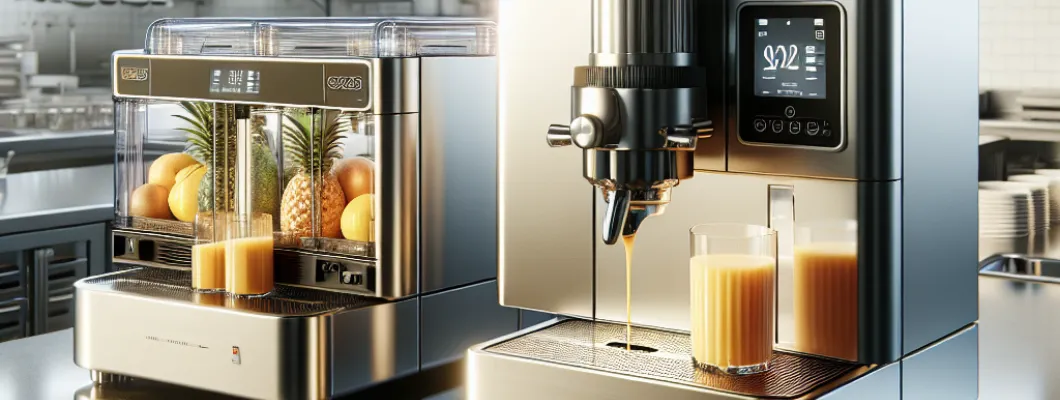
Fresh Juice Machines vs Traditional Juicers: What’s Better for Horeca?
In the vibrant world of horeca—encompassing hotels, restaurants, and cafes—delivering fresh, nutritious offerings is not just a trend but a necessity. As patrons become more health-conscious, the demand for fresh juices has skyrocketed. Whether it's the burst of citrus in a morning orange juice or a complex blend of greens to invigorate the senses, juice offerings are essential. The choice between fresh juice machines and traditional juicers is pivotal for any horeca establishment aiming to meet this demand. Let us delve into this pressing decision and explore what best suits the dynamic needs of the horeca industry.
Section 1: The Challenge of Choosing the Right Juicing Equipment
The heart of this challenge lies in balancing efficiency, cost, and quality. Fresh juice machines and traditional juicers can both serve the purpose, yet they operate quite differently. Fresh juice machines, often fully automated, can produce larger quantities with minimal manual input. In contrast, traditional juicers, which typically require more hands-on involvement, might deliver a different texture or flavor profile that some establishments prefer. The challenge is in deciphering which option aligns best with your specific operational style and customer expectations.
For establishments that prioritize speed and volume, fresh juice machines can seem like the obvious choice. They are designed to handle continuous production, which is ideal for busy breakfast services or during peak hours. However, traditional juicers might appeal to niche cafes or restaurants focusing on artisanal, made-to-order beverages where the process is as much a part of the experience as the product itself.
Section 2: Practical Advice for Selecting the Right Equipment
When deciding between fresh juice machines and traditional juicers, several factors should influence your choice:
- Volume and Speed: Assess your peak hours and customer flow. If you're looking to serve high volumes quickly, a fresh juice machine is more suited. These machines are adept at pumping out glass after glass with minimal downtime.
- Quality and Consistency: Fresh juice machines are engineered for consistent output, ensuring that each glass meets your quality standards. Traditional juicers, while potentially yielding a different texture, often require skilled handling to maintain consistency.
- Space and Maintenance: Consider the space available in your kitchen or behind your bar. Fresh juice machines, though larger, often incorporate self-cleaning features. Traditional juicers, being more compact, might require more frequent and manual cleaning but fit well into smaller spaces.
- Cost: Evaluate your budget not just for the initial purchase but also for ongoing maintenance and potential repairs. Fresh juice machines typically have a higher initial cost, but their efficiency can justify the investment over time.
Section 3: Horeca in Action – Implementing Your Choice
Picture a bustling hotel breakfast buffet or a trendy urban café. In these settings, customer satisfaction hinges on efficiency and quality. A fresh juice machine in a hotel can keep up with the morning rush, allowing staff to focus on other tasks while ensuring each guest receives a refreshing beverage. In contrast, a quaint café might opt for a traditional juicer, offering a personalized touch where each juice is crafted to order, enhancing the customer experience.
Adopting the right equipment is also about integrating it seamlessly into your operation. Training staff to effectively operate and maintain these machines ensures longevity and consistent output. Additionally, considering customer feedback can guide adjustments in your juice offerings, aligning with evolving preferences and maximizing your equipment's potential.
Section 4: FAQs on Fresh Juice Machines and Traditional Juicers
- Which is more cost-effective in the long run? While fresh juice machines have a higher upfront cost, their efficiency and lower labor requirements can lead to significant savings over time, especially in high-volume establishments.
- Can traditional juicers handle high volumes? They can, but it often requires more staff input and can slow down service during peak times. However, they can still be a great choice for establishments that prioritize artisanal quality over speed.
- What about maintenance? Fresh juice machines often have automated cleaning cycles, reducing downtime. Traditional juicers require more manual cleaning but are typically simpler to maintain.
- How do these choices impact juice quality? Fresh juice machines are designed for consistency, while traditional juicers can offer a unique texture and flavor, appealing to different customer preferences.
Section 5: Final Considerations for Your Horeca Establishment
The decision between fresh juice machines and traditional juicers should be informed by the specific needs of your horeca establishment. Consider the volume of service, space, budget, and the type of experience you aim to offer your guests. Balancing these factors will guide you toward the right choice, ensuring that your juice offerings not only meet but exceed customer expectations. As the culture of dining continues to evolve, having the right juicing equipment will keep your establishment at the forefront of the industry, delighting patrons with every refreshing sip.