
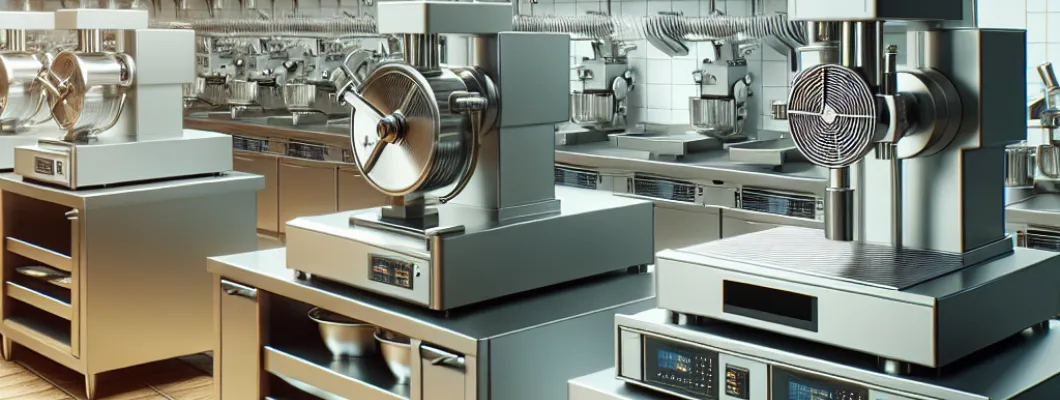
Food Processing Machines: Transforming Culinary Efficiency and Quality
In the fast-paced world of culinary arts, efficiency and consistency are paramount. Whether you are running a bustling restaurant or a catering business, the ability to deliver high-quality dishes reliably is crucial. This is where food processing machines come into play. These indispensable tools have become the backbone of modern kitchens, helping save time and ensure uniformity in food preparation. Let's explore how these machines are revolutionizing the culinary industry.
Section 1: The Challenge of Manual Food Preparation
Manual food preparation can be labor-intensive and time-consuming. Each step, from chopping and slicing to blending and mixing, requires precision and skill. In environments where time is of the essence, such as restaurants during peak hours, the pressure to maintain speed and quality can be overwhelming. Human error can lead to inconsistency in taste and presentation, which can affect customer satisfaction and the establishment's reputation.
Moreover, manual processes can lead to physical strain on staff, resulting in fatigue and increased risk of injuries. This not only affects staff well-being but can also lead to higher turnover rates, further adding to operational challenges. As a result, many establishments are turning to food processing machines to overcome these hurdles.
Section 2: Practical Advice for Implementing Food Processing Machines
Investing in food processing machines can significantly enhance operational efficiency and product consistency. Here are some practical steps to integrate these machines into your kitchen:
- Assess Your Needs: Start by evaluating the specific needs of your kitchen. Identify the processes that are most time-consuming and consider machines that can automate these tasks.
- Choose the Right Equipment: Not all food processing machines are created equal. Consider factors such as capacity, functionality, and ease of use. Popular options include slicers, peelers, blenders, and mixers, each designed to handle specific tasks.
- Training and Maintenance: Ensure your staff is adequately trained to operate the new machines safely and efficiently. Regular maintenance is essential to keep the machines in optimal condition, reducing the risk of breakdowns.
- Integrate into Workflow: Plan how these machines will fit into your current workflow. Sometimes, rearranging the kitchen layout may be necessary to accommodate new equipment.
Section 3: Food Processing Machines in Action
Let’s take a look at a catering business that successfully integrated food processing machines into their operations. By investing in high-capacity vegetable slicers and commercial-grade mixers, they managed to reduce preparation time by 40%. This allowed them to handle larger orders without compromising on quality or consistency.
Staff reported feeling less fatigued, and the business saw a decrease in turnover rates as a result. Customers noted improved consistency in the taste and presentation of dishes, leading to higher satisfaction and increased repeat business. This real-world example underscores the transformative impact that food processing machines can have on a culinary operation.
Section 4: Short Answers to Frequently Asked Questions
- What are the main benefits of food processing machines? They save time, enhance consistency, reduce labor costs, and minimize the risk of human error.
- Are food processing machines cost-effective? Yes, while there is an initial investment, the long-term savings in labor costs and improved efficiency make them cost-effective for most businesses.
- Do these machines require special training? Basic training is recommended to ensure safe and efficient operation. Most manufacturers provide instructional materials or offer training sessions.
Section 5
The integration of food processing machines into culinary operations is more than just a trend; it's a strategic move towards modernizing kitchen practices. By automating routine tasks, these machines not only save time but also improve the quality and consistency of the dishes served. As the culinary industry continues to evolve, investing in the right food processing machines will be essential for businesses aiming to stay competitive and meet the growing demands of their clientele.