
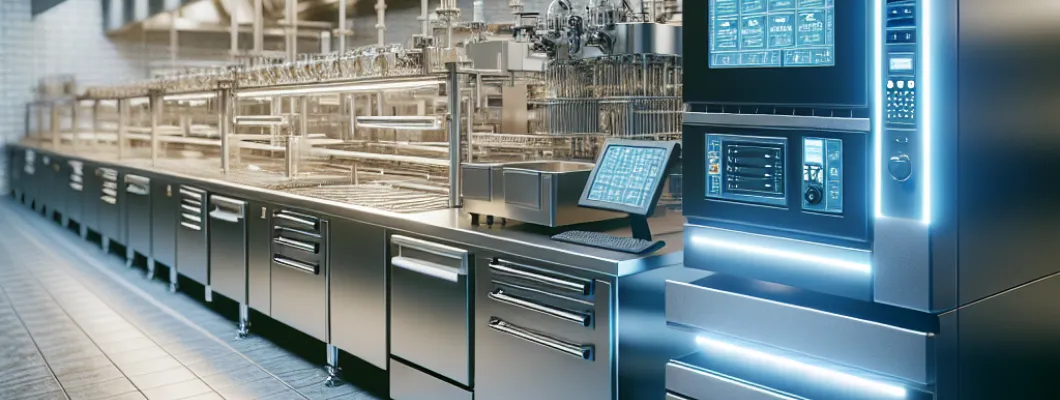
Fast Food Success: Equipment That Makes the Difference
In today’s fast-paced world, fast food restaurants strive to meet the growing demands for convenience and speed without compromising quality. The cornerstone of their success? The right equipment. Investing in state-of-the-art kitchen technology can revolutionize operations, ensuring consistent quality, efficiency, and customer satisfaction. The equipment used in a fast food establishment significantly impacts the speed and quality of service, making all the difference in this competitive industry.
Understanding the Challenge
Fast food establishments face unique challenges. Not only must they serve meals quickly, but they must also maintain high standards of quality and safety. Managing high customer turnover while minimizing wait times requires a strategic approach to kitchen operations. The equipment used becomes a pivotal factor in tackling these challenges. Outdated or inefficient equipment can lead to slow service, inconsistent food quality, and increased operational costs. To thrive, fast food restaurants need equipment that can withstand high demand, facilitate quick service, and maintain product consistency.
Practical Advice for Choosing the Right Equipment
Choosing the right equipment can make a significant difference in the operational efficiency of a fast food restaurant. Here are some key considerations:
- Invest in High-Capacity Appliances: Opt for high-capacity fryers, grills, and ovens that can handle peak hours without compromising on quality. These appliances should offer quick recovery times and energy efficiency.
- Prioritize Durability and Reliability: Equipment that is built to last minimizes downtime and repair costs. Look for brands known for their reliability and strong after-sales support.
- Embrace Automation: Automated equipment such as burger flipping machines and smart fryers can reduce labor costs and ensure consistency in food preparation.
- Focus on Safety and Hygiene: Choose equipment that is easy to clean and maintain, reducing the risk of contamination and ensuring compliance with health regulations.
- Consider Energy Efficiency: Energy-efficient appliances not only reduce operational costs but also align with sustainable practices, appealing to environmentally conscious consumers.
Successful Implementation in Action
One notable example of successful equipment implementation is a fast food chain that revamped its kitchens with modern, high-capacity fryers and grills. By investing in reliable, energy-efficient appliances, they were able to reduce cooking times and serve more customers during peak periods without sacrificing quality. The chain also incorporated automated order systems, which streamlined operations and reduced errors, leading to increased customer satisfaction.
Moreover, by focusing on equipment that facilitated easy cleaning and maintenance, the restaurant ensured consistent hygiene and compliance with safety standards, which is crucial in the fast food industry. This strategic investment in the right kitchen equipment significantly boosted their bottom line and customer loyalty.
Frequently Asked Questions
Here are some common questions regarding fast food equipment:
- How often should fast food equipment be serviced? Regular maintenance is key. It’s advisable to follow the manufacturer’s service schedule, which typically suggests servicing every six months.
- What are the best types of fryers for fast food restaurants? High-efficiency fryers with fast recovery times are ideal, as they allow for quick cooking and high output during peak hours.
- Is it worth investing in energy-efficient equipment? Yes, energy-efficient equipment can significantly reduce utility costs and enhance sustainability, making it a smart long-term investment.
- Can automation really improve fast food operations? Absolutely. Automation can streamline processes, minimize human error, and ensure consistency in food preparation, leading to improved overall efficiency.
Creating a Competitive Edge
In the fast food industry, the right equipment can be the game-changer that sets a business apart from the competition. From investing in high-capacity, reliable appliances to embracing automation and focusing on energy efficiency, the right choices in kitchen equipment can dramatically improve service speed, food quality, and operational efficiency. As consumer expectations continue to evolve, fast food establishments that prioritize strategic equipment investments are better positioned to thrive in a competitive marketplace.