
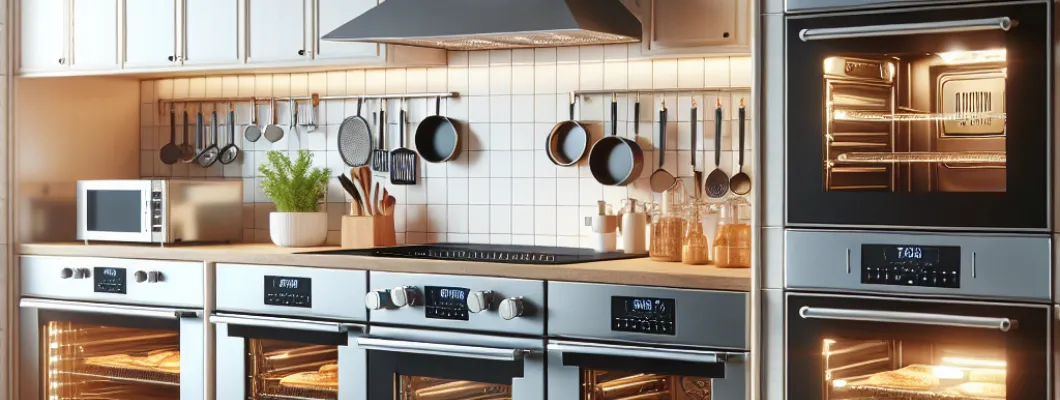
Exploring Fast Ovens vs Traditional Ovens for Your Menu
In the fast-paced world of culinary arts, the type of oven you choose can significantly impact your kitchen's efficiency and the quality of your dishes. As technology advances, chefs and restaurateurs are increasingly presented with the choice between fast ovens and traditional ovens. Each has its own set of advantages and limitations, and understanding these can help you make an informed decision to better serve your menu and your customers.
Evaluating Your Kitchen's Needs
Choosing between a fast oven and a traditional oven often begins with assessing the specific challenges of your kitchen environment. Traditional ovens, whether convection or conventional, are known for their versatility and reliability. They can handle a variety of cooking tasks, from roasting to baking, with consistent results.
However, the demand for speed and efficiency in busy kitchens has led to the rise of fast ovens. These ovens use advanced technologies like impingement, microwave assistance, or convection to significantly reduce cooking times. They are ideal for quick-service restaurants, cafes, and catering services that require rapid turnaround without compromising on quality.
Practical Advice for Choosing the Right Oven
When deciding between fast ovens and traditional ovens, consider the nature of your menu and the volume of orders you typically handle. If your menu includes a variety of baked goods and meals that require precise temperature control and extended cooking times, a traditional oven might be your best bet.
On the other hand, if your establishment focuses on speed and efficiency, incorporating fast ovens could transform your service capability. Fast ovens are particularly beneficial for items that need quick reheating or for recipes that can be completed in a fraction of the time compared to conventional methods.
Budget considerations are also crucial. Traditional ovens can be less expensive initially, but fast ovens might offer savings in the long run by reducing energy consumption and labor costs. Weigh the initial investment against potential operational savings to determine the best fit for your business.
How Top Kitchens Utilize Their Ovens
Restaurants and catering services that have successfully integrated fast ovens often report significant improvements in their service efficiency. For instance, a high-end quick-service restaurant might use a combination of fast ovens and traditional ovens to balance speed with quality. Fast ovens are typically used to expedite the cooking of popular items during peak hours, while traditional ovens tackle more complex dishes that require a gentle touch.
Some establishments even use fast ovens to extend their menu offerings. With the ability to quickly prepare meals that would otherwise take longer, chefs can experiment with new dishes without affecting overall service speed. This flexibility can be a game-changer in settings where menu diversification is a competitive advantage.
Frequently Asked Questions
- Can fast ovens completely replace traditional ovens? Fast ovens are excellent for specific tasks and can complement traditional ovens, but they typically do not replace the need for traditional cooking methods entirely, especially for complex dishes.
- Are fast ovens energy efficient? Yes, fast ovens often use less energy by reducing cooking times, which can lead to lower utility bills in the long term.
- Do fast ovens compromise food quality? When used correctly, fast ovens maintain food quality and can even enhance certain dishes through precise cooking controls.
- What is the learning curve for using fast ovens? While fast ovens incorporate advanced technology, many models are user-friendly, with intuitive controls designed for ease of use.
Final Thoughts
The decision between fast ovens and traditional ovens ultimately depends on your specific needs and objectives. By understanding the strengths and limitations of each, you can tailor your equipment choices to best suit your menu and customer expectations. Whether you prioritize speed, versatility, or energy efficiency, the right oven can be a pivotal asset in your kitchen, driving both culinary excellence and customer satisfaction.