
Ensuring Safe Food Storage to Prevent Contamination
In the bustling world of food service, maintaining the utmost standards of safety is non-negotiable. Food storage safety is crucial in preventing contamination, ensuring every meal served is not only delicious but also safe to consume. For every restaurant and catering establishment, mastering the art of safe food storage is both a responsibility and a fundamental component of operational success.
Understanding the Challenge of Food Storage Safety
The challenge of food storage safety lies in the complex environment of modern kitchens where numerous ingredients, varying temperatures, and food types must coexist without cross-contamination. Contamination can occur at any stage of the food handling process, but improper storage is among the most common culprits. When food is stored incorrectly, it is prone to bacterial growth, spoilage, and cross-contamination, all of which can lead to foodborne illnesses.
Whether it's raw meats and seafood, dairy products, or fresh produce, each type of food has specific storage needs. Failing to recognize these needs can result in spoilage and food waste, as well as the risk of serving contaminated food. Thus, it is vital to implement robust food storage safety measures to protect both the business and its patrons.
Practical Advice for Safe Food Storage
To uphold food storage safety and effectively prevent contamination, several practical strategies can be employed:
- Temperature Control: Maintain appropriate temperatures for different food types. Refrigerators should be set at or below 40°F (4°C), while freezers should be at 0°F (-18°C) to prevent bacterial growth.
- Proper Labeling: Clearly label all stored items with the date of storage to ensure first-in, first-out usage. This helps in monitoring freshness and minimizing spoilage.
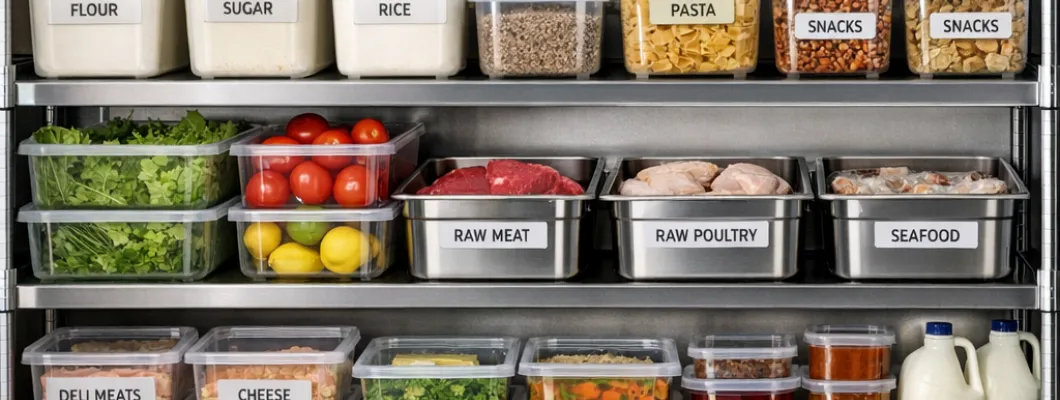
- Separate Storage: Store raw meats, seafood, and poultry separately from ready-to-eat foods to prevent cross-contamination. Use well-sealed and clearly designated containers.
- Sanitation: Regularly clean and sanitize storage areas, including shelves, containers, and refrigeration units, to eliminate bacteria and other potential contaminants.
- Inspect and Rotate Stock: Regularly inspect stored items for signs of spoilage or damage. Rotate stock frequently to use older products first, reducing waste and ensuring freshness.
Behavior and Organization in Action
Establishing a culture of food storage safety requires both managerial oversight and workforce commitment. Begin by educating staff on the importance of food storage safety and the specific procedures that your establishment must follow. Conduct regular training sessions that cover the key principles of food safety, including how to prevent contamination through proper storage techniques.
Implement and enforce strict policies regarding the handling and storage of foods. Assign specific team members to oversee storage areas, ensuring compliance with safety standards. Regular audits and checklists can help maintain high standards, giving you peace of mind that food storage is handled correctly.
Furthermore, investing in quality storage equipment and containers can significantly enhance food safety measures. Consider using color-coded containers to keep different food groups separate and easy to identify, reducing the risk of mistakes.
Frequently Asked Questions
What are the signs of food contamination due to poor storage?
Signs of contamination include unusual odors, discoloration, slimy texture, and mold growth. If any of these signs are present, the food is likely unsafe to consume.
How often should storage areas be cleaned?
Storage areas should be cleaned and sanitized at least once a week, with spills or contamination incidents addressed immediately to prevent bacterial growth.
Is it safe to store all foods in the same refrigerator?
While foods can be stored in the same refrigerator, it's essential to organize them properly. Raw meats should be stored on the bottom shelf to prevent drips onto other foods, while ready-to-eat foods should be placed higher and separately.
Ensuring a Safe Culinary Experience
Embracing food storage safety is essential for any food service operation aiming to prevent contamination. By understanding the challenges, applying practical storage strategies, and fostering a culture of safety, restaurants and catering establishments can significantly reduce the risks of foodborne illnesses. Through diligence and commitment to proper food storage, you ensure not only the health and satisfaction of your customers but also the longevity and reputation of your business. Remember, the foundation of a successful kitchen lies in its ability to keep its food safe and its patrons healthy.