
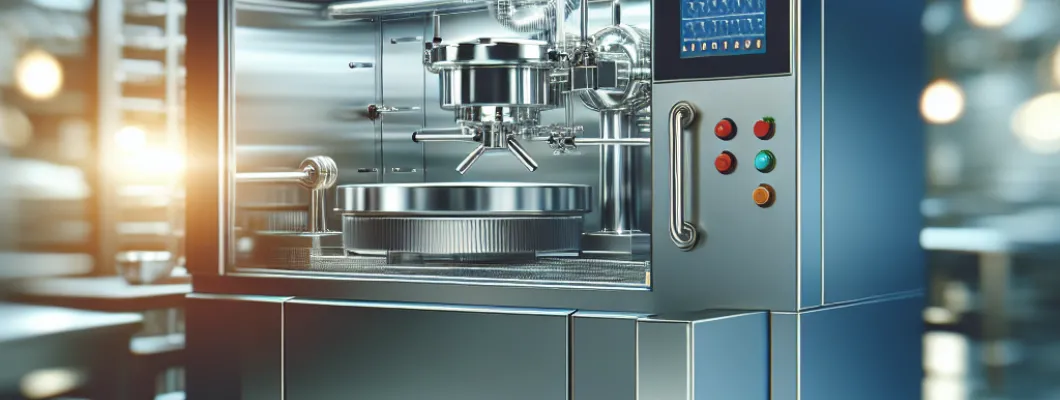
Ensuring Hygiene and Safety in Food Processing Machines
In the world of food processing, maintaining hygiene and safety standards is paramount. Food processing machines are at the heart of this industry, transforming raw ingredients into consumable products. However, if these machines aren't adequately maintained, they can become breeding grounds for bacteria and contaminants, posing significant risks to food safety. Ensuring stringent hygiene protocols not only guarantees the safety of the products but also enhances operational efficiency and extends the equipment's lifespan.
The Challenge of Hygiene and Safety in Food Processing Machines
One of the primary challenges in maintaining hygiene and safety standards in food processing machines is the complexity and size of the equipment. These machines often have numerous components and hard-to-reach areas where food particles can accumulate. The continuous operation of these machines in a high-moisture environment can further exacerbate the growth of bacteria if not properly managed.
Additionally, the diversity of foods processed—from dairy to meats, fruits, and vegetables—necessitates varied cleaning protocols. Each type of food carries different risks and requires specific cleaning agents and techniques to ensure thorough sanitation. The challenge is to implement a comprehensive cleaning process that is effective yet efficient enough not to disrupt production schedules.
Practical Advice for Maintaining Hygiene and Safety Standards
To tackle the challenges of maintaining hygiene and safety standards in food processing machines, operators must adopt a systematic and proactive approach. Here are some practical steps:
- Regular Cleaning Schedule: Develop a detailed cleaning schedule that outlines daily, weekly, and monthly cleaning tasks. This should include both routine cleaning and deep cleaning operations.
- Use of Appropriate Cleaning Agents: Select cleaning chemicals that are effective against the types of food residues being processed. Ensure these agents are food-safe and suitable for the specific materials of the machines.
- Employee Training: Conduct regular training sessions for staff on the latest hygiene practices and the proper cleaning of food processing machines. Well-trained staff are crucial in maintaining high standards of safety.
- Regular Inspections: Implement regular inspections to identify any wear and tear or potential contamination risks. Early detection allows for timely maintenance and prevents larger issues.
- Documentation: Keep detailed records of cleaning and maintenance activities. This documentation is essential for audits and helps in tracking the effectiveness of cleaning protocols.
Behavior and Organization in Action
For food processing facilities, maintaining hygiene and safety standards in food processing machines is not just about following a checklist—it's about fostering a culture of safety and responsibility. Successful organizations infuse these values into their daily operations, ensuring that every employee understands their role in maintaining hygiene.
For example, leading food processing companies often establish dedicated hygiene teams responsible for overseeing cleaning operations. These teams employ advanced technologies such as automated cleaning systems and real-time monitoring tools to enhance efficiency and effectiveness. By prioritizing hygiene and safety, these organizations not only comply with regulatory standards but also build trust with consumers.
Frequently Asked Questions about Food Processing Machine Hygiene
What are the most common hygiene issues in food processing machines?
The most common problems include residue buildup in hard-to-reach areas, cross-contamination between different food types, and microbial growth due to insufficient or irregular cleaning.
How often should food processing machines be cleaned?
The frequency of cleaning depends on the type of food processed and the machine's usage. However, a general rule is to conduct daily cleanings with more comprehensive deep cleanings scheduled weekly or monthly.
Can automation improve hygiene practices in food processing?
Yes, automation can significantly enhance hygiene practices by ensuring consistent and thorough cleaning processes, reducing human error, and allowing for real-time monitoring of hygiene standards.
Fostering a Culture of Hygiene and Safety
Maintaining hygiene and safety standards in food processing machines is an ongoing commitment that requires diligence and dedication. By implementing effective cleaning protocols, investing in employee training, and embracing technological advancements, businesses can safeguard their operations against contamination and ensure the delivery of safe, quality food products to their consumers. A proactive approach and organizational commitment are vital in making hygiene and safety an integral part of the company's ethos.