
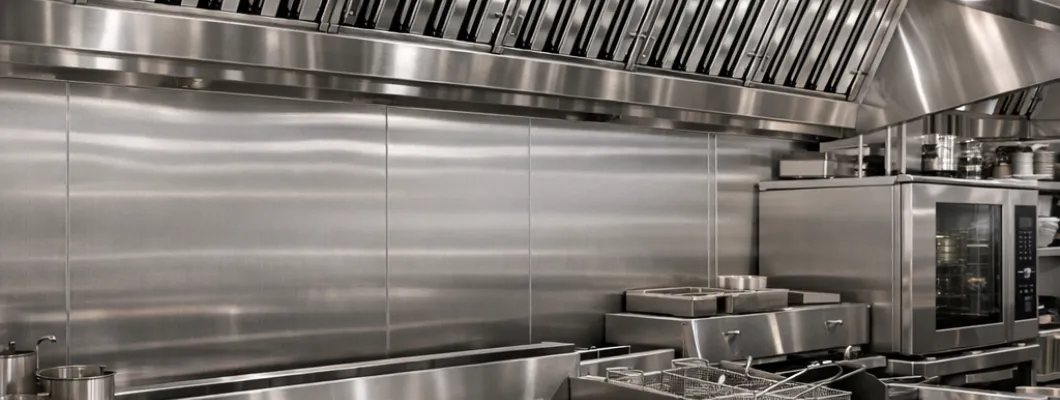
Ensuring a Safe Kitchen with Grease Filters
In the bustling environment of a commercial kitchen, maintaining safety and efficiency is paramount. One often overlooked but essential component in ensuring these standards is the grease filter. These filters play a critical role in trapping grease, preventing fires, and keeping the kitchen environment healthy. Without regular maintenance and proper care, grease filters can become a hazard, compromising both safety and sanitation. Let's delve deeper into the challenges posed by grease filters and how to keep them in top condition.
The Challenge: Grease Buildup
Grease buildup is a formidable challenge in any kitchen. As you cook, vapors rise and carry particles of grease, which then accumulate on the filters. If left unchecked, these deposits can lead to several issues. Firstly, the risk of fire increases significantly. Grease is highly flammable, and a spark or excessive heat in the vicinity can ignite grease-covered filters. Secondly, clogged filters hinder proper air ventilation, affecting the kitchen's air quality and the efficiency of the ventilation system. Lastly, a dirty grease filter can lead to unpleasant odors, potentially affecting the dining experience.
Practical Advice: Maintaining Your Grease Filters
Regular maintenance of grease filters is crucial to prevent the challenges mentioned above. Here are practical steps to ensure your grease filters remain effective:
- Regular Cleaning: Clean grease filters at least once a week, or more frequently if your kitchen sees heavy use. Use hot, soapy water or a degreasing solution to remove accumulated grease efficiently.
- Inspect for Damage: Regularly check for signs of wear and tear, such as dents or corrosion, which can compromise the filter's effectiveness.
- Use Appropriate Filters: Ensure you are using the correct type of grease filter for your kitchen's ventilation system. Baffle filters, for example, are designed to handle heavy grease loads and should be considered for high-volume kitchens.
- Professional Servicing: Schedule periodic inspections by a professional technician to ensure the entire ventilation system, including grease filters, functions optimally.
Organizational Practices: Proactive Safety Measures
Incorporating proactive measures into your kitchen's routine can significantly enhance safety and efficiency. Implementing a strict schedule for grease filter maintenance is a good start. Assigning specific team members to be responsible for inspections and cleaning can ensure accountability and consistency. Moreover, training the staff on the importance and methods of maintaining grease filters can foster a culture of safety and hygiene in the kitchen. By integrating these practices, you not only protect your kitchen from potential hazards but also contribute to a healthier workplace.
FAQs: Tackling Common Concerns
How often should grease filters be cleaned? For most commercial kitchens, cleaning should occur weekly. However, high-volume kitchens might need to clean filters more frequently.
Can I clean grease filters myself? Yes, grease filters can be cleaned manually using hot water and degreasing solutions, but ensure you're following the manufacturer's guidelines to avoid damage.
What signs indicate a grease filter needs replacement? Signs include persistent odors, visible damage like rust or cracks, and diminished airflow despite cleaning.
Maintaining a Healthy Kitchen Environment
A well-maintained grease filter is an unsung hero in the kitchen's safety arsenal. By keeping these filters clean and functional, you can prevent fire hazards, improve air quality, and ensure your kitchen operates smoothly. Remember, a safe kitchen is not only about the absence of accidents but also about creating an environment where staff can work efficiently and comfortably. Prioritize grease filter maintenance, and you'll be investing in the long-term health and safety of your culinary operations.