
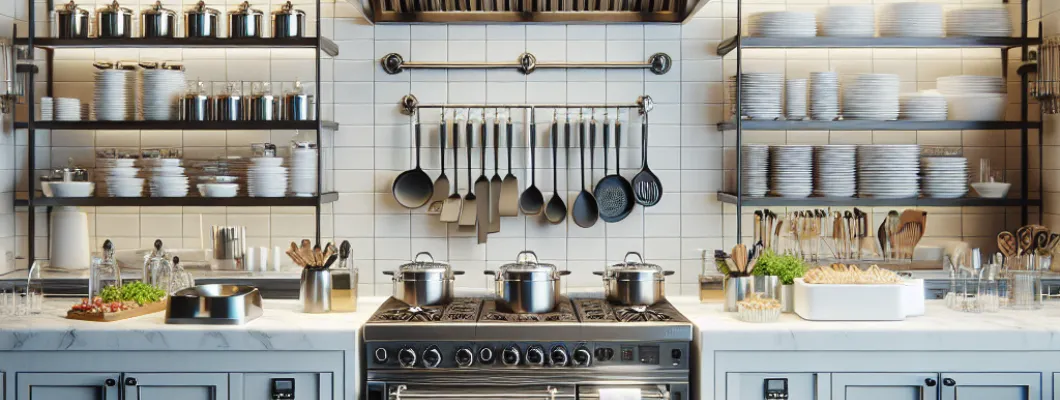
Elevating Your Culinary Space: Cooking Equipment Essentials for Professional Kitchens
In the realm of professional cooking, where culinary masterpieces are crafted daily, the choice of cooking equipment can make all the difference. Whether you're setting up a new kitchen or revamping an existing one, understanding the essentials can streamline your workflow, enhance productivity, and ensure consistent quality. Today, we'll delve into the fundamental cooking equipment essentials for professional kitchens, exploring what truly makes a kitchen worthy of the culinary arts.
Navigating the Equipment Maze: The Challenge
Setting up a professional kitchen is not just about filling the space with a plethora of gadgets and machines; it's about choosing the right cooking equipment essentials that meet the unique demands of your culinary operations. The sheer variety of equipment available can be overwhelming, and making the wrong choices can lead to inefficiency, wasted resources, and subpar output. The challenge lies in identifying equipment that not only complements your menu but also fits your kitchen's layout, budget, and cooking style.
Chefs and kitchen managers often face the daunting task of balancing quality with cost, efficiency with space constraints, and innovation with tradition. This process involves understanding the roles of different types of equipment, from heavy-duty appliances to the indispensable smaller tools that chefs rely on daily.
Equipping for Success: Practical Advice
To navigate these challenges effectively, it's crucial to focus on a few key categories of cooking equipment essentials. Here’s what every professional kitchen should consider:
- Commercial Ranges and Ovens: The heart of any kitchen, these are indispensable for executing a wide variety of dishes. Choose units that offer flexibility, such as combination ovens that can bake, roast, steam, and more.
- Refrigeration Units: Proper storage is vital for food safety and quality. Investing in high-quality refrigerators and freezers ensures ingredients are kept at optimal temperatures, reducing spoilage and waste.
- Prep Tables and Cutting Tools: Speed and precision in food preparation are achieved with durable prep tables and high-quality knives. Ensure your tools are sharp and well-maintained to enhance efficiency.
- Mixers and Food Processors: For tasks that require consistency and speed, such as dough mixing or vegetable chopping, choosing the right mixers and processors can significantly reduce prep time.
- Safety and Sanitation Equipment: Maintaining health standards requires appropriate sanitation tools, such as dishwashers and cleaning stations, which are crucial for compliance and kitchen hygiene.
Organizing for Optimal Performance: Behavior in Action
Once the right cooking equipment essentials are chosen, the focus should shift to organization and maintenance. A well-organized kitchen not only enhances efficiency but also fosters a harmonious working environment. Here are some strategies to ensure your kitchen operates smoothly:
- Layout Optimization: Arrange equipment in a logical flow that matches the sequence of kitchen operations, reducing unnecessary movement and time wastage.
- Regular Maintenance: Establish a routine for cleaning and servicing equipment to prevent breakdowns and extend their lifespan.
- Staff Training: Ensure all kitchen staff are trained in the proper use and maintenance of equipment to maximize efficiency and minimize accidents.
- Inventory Management: Keep an accurate inventory of tools and ingredients to prevent shortages and overstocking, both of which can disrupt kitchen operations.
Clearing Doubts: Frequently Asked Questions
What is the most crucial piece of equipment in a professional kitchen? While needs can vary, commercial ranges and ovens often serve as the backbone of professional kitchens, enabling a wide range of cooking techniques.
How often should kitchen equipment be maintained? Regular maintenance should be conducted quarterly, with daily cleaning routines to ensure optimal performance and longevity.
Is it better to buy or lease professional kitchen equipment? This depends on your budget and long-term plans. Buying can be more cost-effective in the long run, but leasing might be a good option for those looking to minimize upfront costs.
What are the latest trends in professional kitchen equipment? Trends include energy-efficient appliances, smart technology integration, and modular equipment that offers flexibility and space-saving solutions.
Crafting Culinary Excellence
In the fast-paced world of professional cooking, having the right equipment is foundational to success. By carefully selecting cooking equipment essentials tailored to your specific needs, you can create a culinary environment where creativity and efficiency thrive. Remember, the best kitchens are not necessarily the ones with the most gadgets, but those where every piece of equipment serves a purpose and contributes to the overall harmony of the culinary process. Equip wisely, organize effectively, and watch as your kitchen transforms into a powerhouse of gastronomic perfection.