
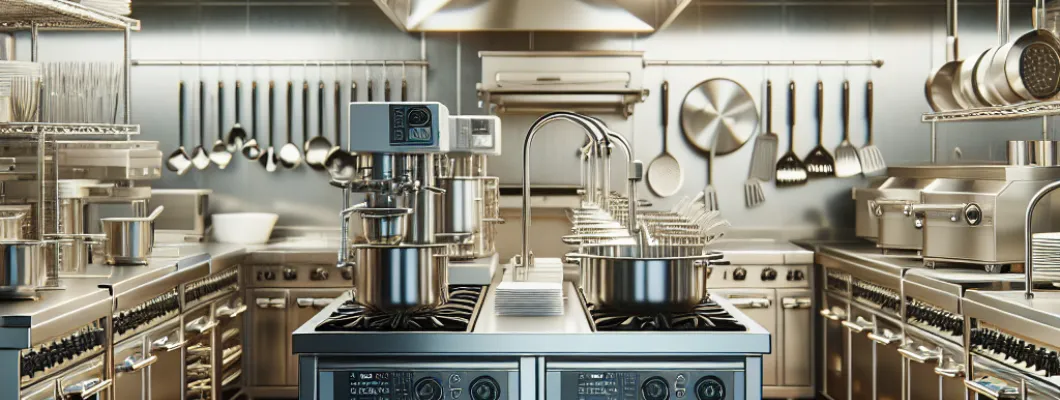
Cooking Equipment Maintenance: How to Extend Product Lifespan
The backbone of any successful commercial kitchen is its cooking equipment. From ovens and grills to mixers and fryers, these essential pieces of machinery bear the brunt of culinary creativity and efficiency. Proper maintenance of cooking equipment not only ensures smooth operations but also significantly extends the product lifespan, leading to cost savings and consistent performance. In this guide, we'll delve into the challenges associated with equipment upkeep and provide actionable advice to keep your kitchen running at its best.
Understanding the Challenges
One of the primary challenges in maintaining cooking equipment is the sheer volume of usage. Commercial kitchens operate at high capacity, with equipment being used for prolonged periods. This constant usage can lead to wear and tear, increasing the risk of breakdowns if not properly maintained. Additionally, the diverse range of equipment, each with unique specifications and maintenance needs, adds to the complexity. Neglecting even minor maintenance tasks can lead to significant downtime and costly repairs.
Practical Maintenance Tips
To tackle these challenges effectively, a proactive approach to cooking equipment maintenance is essential. Here are some practical tips:
- Regular Cleaning: Make cleaning a daily routine. Ensure that all equipment is cleaned thoroughly to prevent the accumulation of grease and food particles, which can lead to malfunction and health hazards.
- Scheduled Inspections: Implement a routine inspection schedule. Regularly check for signs of wear and tear, such as loose parts or unusual noises, to address issues before they escalate.
- Follow Manufacturer Guidelines: Always adhere to the maintenance recommendations provided by equipment manufacturers. This includes using the correct cleaning agents and replacement parts.
- Calibrate Equipment: Calibration ensures that equipment operates at optimal performance levels. Make it a point to calibrate ovens, thermometers, and other precision devices regularly.
- Invest in Training: Train your staff on proper equipment usage and maintenance protocols to minimize misuse and accidental damage.
Implementing Effective Organizational Practices
Organizational practices play a critical role in extending the lifespan of cooking equipment. Establish a maintenance schedule that clearly outlines daily, weekly, and monthly tasks. Assign specific responsibilities to team members and ensure accountability through regular checks and updates. Consider using maintenance management software to streamline these processes and keep track of maintenance histories and upcoming tasks. Furthermore, fostering a culture of cleanliness and responsibility within your kitchen staff can significantly impact the overall upkeep of your equipment.
Frequently Asked Questions
Q1: How often should cooking equipment be serviced?
A1: While daily cleaning is essential, a thorough professional service should occur at least once every six months, depending on the equipment type and usage intensity.
Q2: What should I do if equipment starts to malfunction?
A2: If you notice any unusual behavior, it's best to stop using the equipment immediately and contact a certified technician for evaluation and repair.
Q3: Can I use generic parts for repairs?
A3: It's advisable to use parts specified by the manufacturer to ensure compatibility and maintain warranty coverage.
Ensuring Longevity and Efficiency
By prioritizing the maintenance of your cooking equipment, you not only extend their product lifespan but also enhance the overall efficiency of your kitchen operations. Consistent, proactive care minimizes unexpected breakdowns and repairs, ensuring that your kitchen remains productive and cost-effective. Remember, investing time and resources in proper equipment upkeep is an investment in the long-term success of your culinary endeavors.